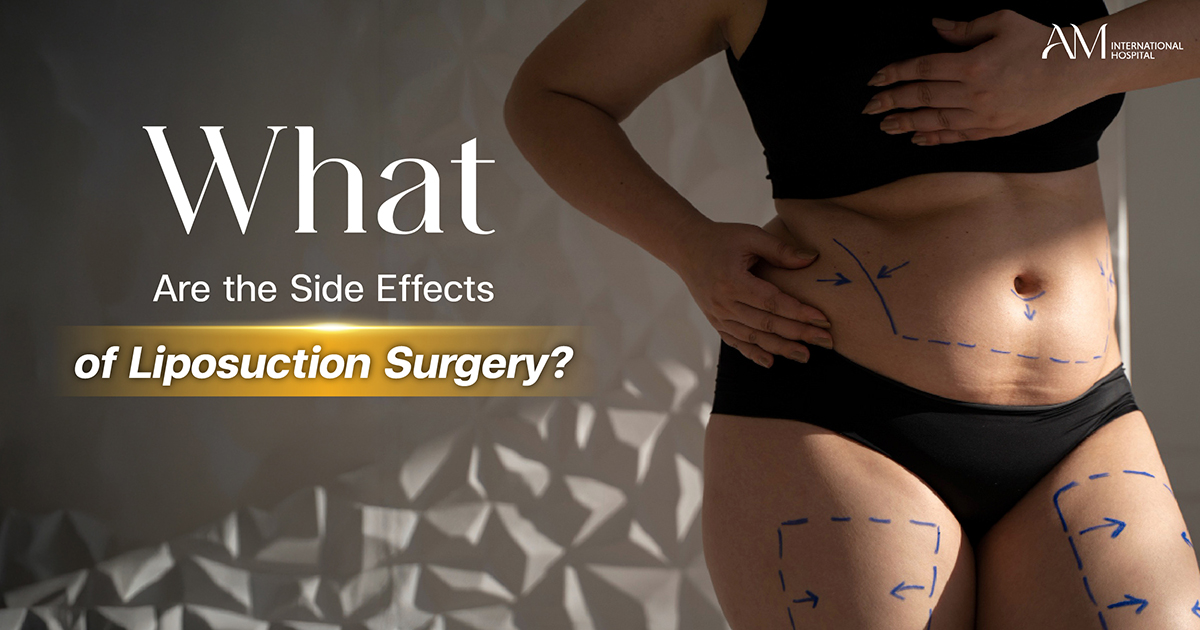
What Are the Side Effects of Liposuction Surgery?

Liposuction is a cosmetic procedure that removes excess fat from specific areas of the body. Although it can help improve body contours, it may also cause temporary side effects during recovery, such as swelling, bruising, soreness, and numbness. Understanding the possible liposuction side effects can help you know what to expect after surgery, how to care for your body, and which symptoms may require medical attention.
Key Takeaways
- Liposuction side effects may include temporary swelling, bruising, soreness, and numbness.
- Most common side effects gradually improve as the body heals, although recovery time varies from person to person.
- Serious complications, such as infection, fluid accumulation, or blood clots, are less common but require medical attention.
- Following post-operative instructions and attending follow-up appointments can help support recovery and reduce the risk of complications.
Common Side Effects After Liposuction

Liposuction side effects are a normal part of the recovery process as the body begins to heal. Most are temporary and gradually improve over time. The type and severity of symptoms can vary depending on the treatment area, amount of fat removed, and individual healing process.
Side Effect | How Long Does It Last? | How to Manage It |
Swelling | Usually improves over several weeks. Mild swelling may persist for a few months. | Wear compression garments as instructed, avoid strenuous activities, and follow your surgeon’s post-operative care instructions. |
Bruising | Usually fades within 1–2 weeks, although some bruising may take longer to disappear. | Allow the bruises to heal naturally, avoid pressing or massaging the area unless advised by your surgeon, and follow the recommended aftercare routine. |
Soreness | Most noticeable during the first few days and gradually improves over the following weeks. | Take prescribed pain medication as directed, get enough rest, and gradually return to normal activities as recommended by your doctor. |
Numbness | May last for several weeks or months, depending on the affected nerves and healing process. | Avoid excessive pressure or heat on numb areas, protect the skin from injury, and inform your surgeon if numbness persists or worsens. |
Fluid Drainage | Common during the first few days, particularly when small drainage openings are left after surgery. | Keep the area clean, use clean absorbent dressings as instructed, and contact your surgeon if drainage becomes excessive, foul-smelling, or is accompanied by fever. |
Side Effects by Recovery Stage

Liposuction side effects can change throughout the recovery process. Some symptoms are more noticeable immediately after surgery, while others gradually improve over the following weeks and months. Understanding these changes can help you know what to expect as your body heals.
- First 48 Hours Early side effects, such as swelling, bruising, soreness, and fluid drainage, are usually most noticeable during this period.
- Weeks 1-2 Bruising and soreness generally begin to improve, although swelling may persist. Temporary numbness and firmness in the treated areas may also occur.
- Months 1-3 Swelling continues to decrease, and body contours become more noticeable. However, mild swelling, numbness, or firmness may still remain as the tissues heal.
The final results may take several months to become fully visible. Recovery time varies depending on the individual and the treatment area.
Less Common Side Effects
Besides common recovery symptoms, liposuction may cause other side effects that affect the skin and underlying tissues. Although not everyone experiences them, it is helpful to understand these possible changes.
- Seroma: Fluid may collect beneath the skin, causing swelling or a soft lump in the treated area. Small seromas may resolve on their own, while larger ones may require drainage by a medical professional.
- Lumps and Wavy Skin: Uneven fat removal, swelling, or scar tissue may cause lumps, dents, or wavy skin. These irregularities may improve as the tissues heal, but persistent changes should be assessed by a surgeon.
- Skin Discoloration: The treated skin may become darker, lighter, or uneven in color due to bruising, inflammation, or changes in pigmentation. These changes often fade over time.
- Scars: Small incisions made during liposuction may leave scars after healing. Most become less noticeable over time, although their appearance varies depending on skin type and individual healing.
Rare but Serious Complications
Although serious complications after liposuction are uncommon, they can sometimes affect vital organs and require urgent medical attention. Understanding the warning signs can help you recognize potential problems and seek medical care promptly.
- Infection: Bacteria may enter the body through surgical incisions, causing redness, warmth, increasing pain, swelling, or pus around the treated area. Fever may also occur. Severe infections can spread and require prompt medical treatment.
- DVT and Pulmonary Embolism: Deep vein thrombosis (DVT) occurs when a blood clot forms in a deep vein, usually in the leg. If part of the clot travels to the lungs, it can cause a pulmonary embolism, which is a life-threatening condition. Warning signs include leg pain or swelling, sudden shortness of breath, and chest pain.
- Fat Embolism: Fat embolism occurs when fat enters the bloodstream and blocks blood vessels. If fat reaches the lungs or other vital organs, it can cause serious complications. Symptoms may include breathing difficulties, confusion, and a rapid heart rate.
- Anesthesia Reaction: Some patients may experience adverse reactions to anesthesia or sedative medications used during liposuction. These can range from nausea and allergic reactions to more serious problems involving breathing, heart function, or blood.
Warning Signs: When to Contact Your Doctor Right Away
Although some discomfort, swelling, and bruising are expected after liposuction, certain symptoms may indicate a serious complication. Knowing which warning signs to look out for can help you seek medical attention before the condition becomes worse.
Warning Signs to Watch For
✅Fever: A fever, especially when accompanied by chills or worsening pain, may indicate an infection.
✅Difficulty breathing: Shortness of breath, chest pain, or sudden difficulty breathing may indicate a serious complication, such as a pulmonary embolism. Seek emergency medical care immediately.
✅Calf pain or swelling: Pain, tenderness, or swelling in one calf may be a sign of deep vein thrombosis (DVT).
✅Redness, swelling, or pus around the incision: Increasing redness, warmth, swelling, or pus-like discharge from the wound may indicate an infection.
Important: Seek emergency care for breathing difficulties or chest pain. Contact your surgeon promptly if you notice other signs of infection or possible blood clots.
Long-Term Side Effects
Most liposuction side effects improve as the body heals. However, some changes may last for months or become permanent, depending on the amount of fat removed, skin elasticity, surgical technique, and individual healing response.
- Persistent numbness or changes in sensation: Some patients may continue to experience numbness, tingling, or altered skin sensitivity if the nerves in the treated area are affected. In some cases, these changes may be long-lasting or permanent.
- Uneven skin contours: Uneven fat removal or poor skin elasticity may cause the treated area to develop bumps, dents, ripples, or an asymmetrical appearance. These changes may not resolve completely on their own.
- Loose or sagging skin: When fat is removed, the skin may not shrink sufficiently to match the new body contour, particularly in people with reduced skin elasticity. This can leave the treated area looking loose or saggy.
- Permanent scarring or skin discoloration: Although liposuction incisions are usually small, scars may remain. Changes in skin pigmentation may also persist in some patients.
- Persistent fluid pockets (Seroma): Fluid may collect beneath the skin after surgery. While many seromas resolve with appropriate care, some may require drainage or additional treatment if they persist.
These long-term liposuction side effects do not occur in everyone. If changes in skin texture, sensation, or body contour persist after recovery, consult your surgeon to determine whether further treatment is needed.
How to Lower Your Risk of Side Effects

Although liposuction is generally considered safe when performed by a qualified surgeon, complications and unwanted side effects can still occur. Choosing an experienced medical team, following post-operative instructions, and attending scheduled follow-up appointments can help reduce these risks and support a smoother recovery.
- Choose a Qualified Surgeon and Accredited Hospital
Before undergoing liposuction, check the surgeon’s qualifications, experience, and previous work. The procedure should be performed in a properly equipped medical facility with appropriate safety measures and emergency support.
- Wear a Compression Garment as Recommended
A compression garment helps support the treated area, control swelling, and reduce fluid accumulation during recovery. Wear it for the recommended duration and follow your surgeon’s instructions on how to use and care for it.
- Attend Follow-Up Appointments
Follow-up appointments allow your surgeon to monitor healing, check for signs of infection or other complications, and assess changes in swelling and body contours. For patients considering liposuction in Thailand, understanding what liposuction Thailand recovery time and aftercare included means is important when planning post-operative care, especially for those traveling from abroad.
Important: Do not skip follow-up visits, even if you feel well. Contact your medical team if you notice unusual symptoms or changes during recovery.
Wisanu Hengsavasdi, M.D.
Liposuction & Fat Grafting
No.51179
Doctor's Note
Liposuction can help improve body contours, but it is important to understand that every surgical procedure carries some risks. The recovery process and results vary from person to person, depending on individual health, skin elasticity, and the treatment area. A proper medical assessment, realistic expectations, and following post-operative instructions are essential for a safe recovery and satisfactory results.
Wisanu Hengsavasdi (DR.Ice)
Medical Licence No.51179
Frequently Asked Questions (FAQ)
How long does swelling last after liposuction?
Swelling is one of the most common liposuction side effects and is a normal part of the recovery process. It is usually most noticeable during the first few days and gradually improves over the following weeks. However, mild swelling may persist for 3-6 months, depending on the treatment area, the amount of fat removed, and individual healing.
Liposuction hospital vs clinic in Bangkok which is safer?
Safety depends more on the surgeon’s qualifications, the facility’s standards, available equipment, and emergency support than on whether the procedure takes place in a hospital or clinic. Choose a licensed facility that is properly equipped for surgery and has appropriate systems to manage complications. The surgeon should also assess your health and explain the risks before the procedure.
Is numbness after liposuction permanent?
Numbness after liposuction is usually temporary and improves as the affected nerves recover. Some patients may experience altered sensation for several weeks or months. In rare cases, nerve damage can cause long-lasting or permanent numbness. Consult your surgeon if numbness persists, worsens, or is accompanied by unusual pain.
Is it normal to have lumps after liposuction?
Yes, small lumps or uneven areas can occur during the early stages of recovery due to swelling, tissue inflammation, and fluid accumulation. These irregularities often improve as the swelling subsides and the tissues heal. However, lumps that become increasingly painful, red, warm, or swollen should be checked by a doctor to rule out complications.
What does a seroma feel like?
A seroma is a collection of fluid beneath the skin after surgery. It may feel like a soft, swollen pocket that moves or shifts when pressed. Some patients describe a sensation of fluid moving under the skin. A seroma may also cause discomfort or a feeling of tightness in the treated area. If you suspect a seroma, have your surgeon examine it rather than trying to drain it yourself.
Can fat come back after liposuction?
Yes. Liposuction permanently removes some fat cells from the treated area, but the remaining fat cells can still enlarge if you gain weight. Fat may also accumulate in other parts of the body. Maintaining a stable weight through a balanced diet and regular physical activity can help preserve your results over time.