
Fat Grafting Essentials: Benefits, Steps & Costs
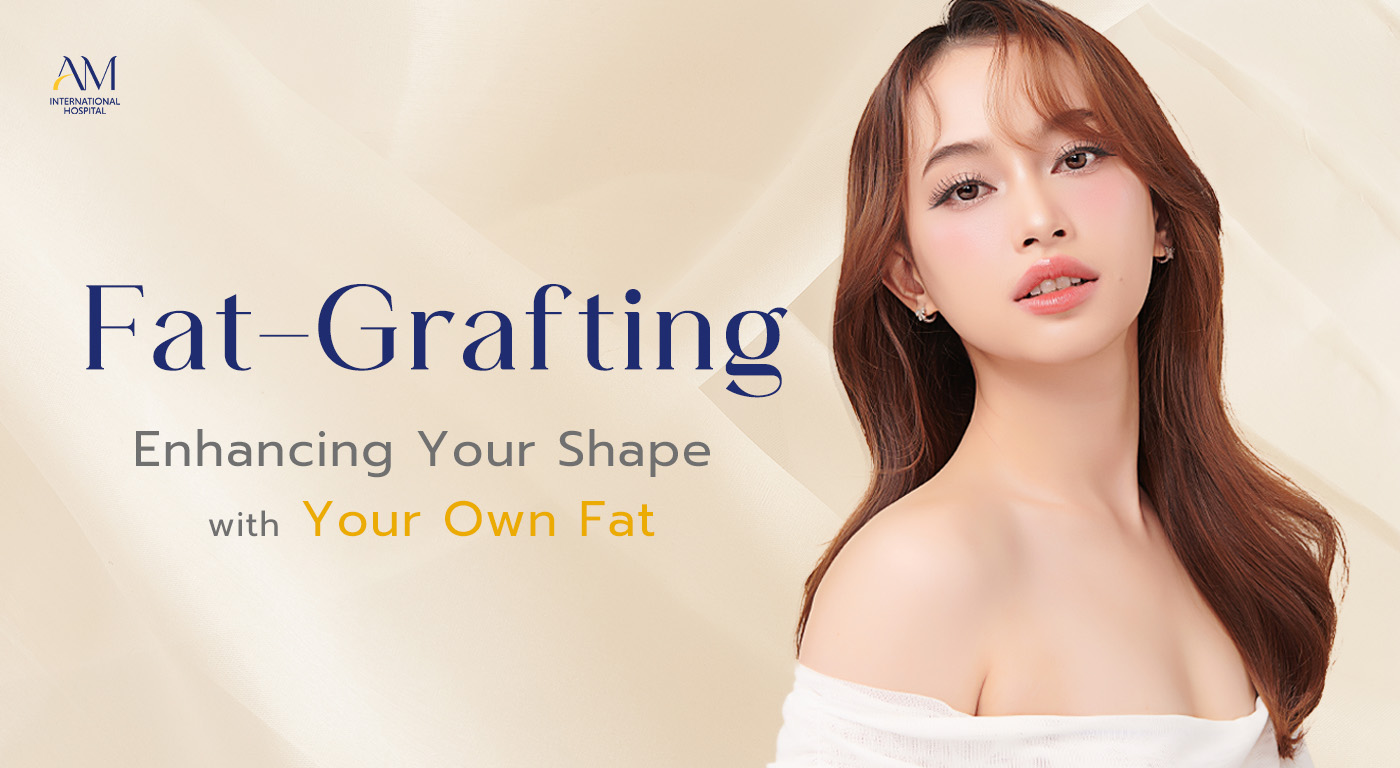
Fat grafting, or fat transfer, is an advanced cosmetic surgery that uses your fat to boost volume in your face or body. Like liposuction, it reshapes and refines your figure—but in reverse. Fat grafting involves multiple steps and depends on factors like advanced techniques, specialized tools, your overall health, and post-procedure care.
Curious about what fat grafting entails and how it works? Jump into this guide for the scoop on the process, perks, and must-know details!
Select a topic of interest.
What Is Fat Grafting?
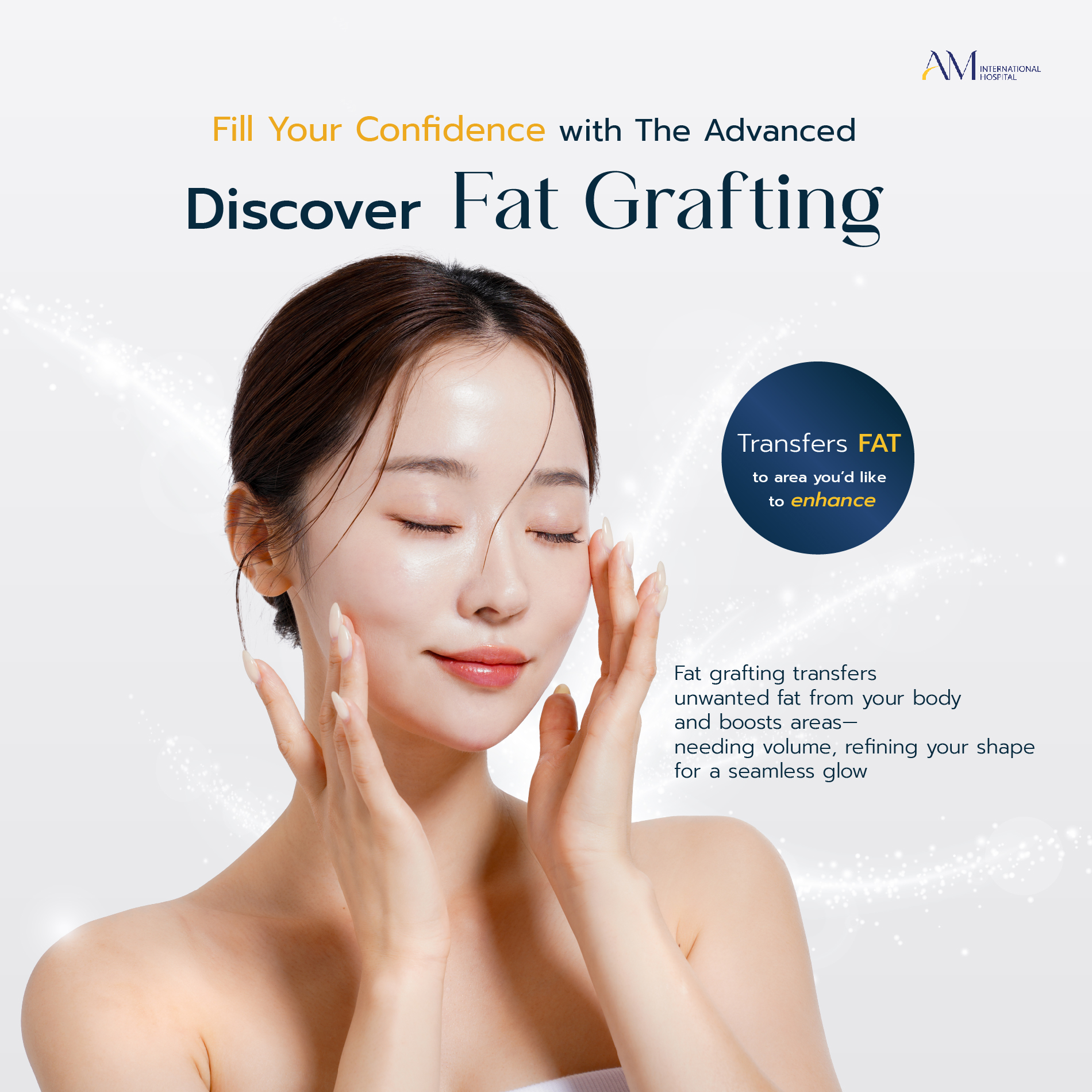
Fat grafting is a surgical technique that transfers subcutaneous fat from one part of your body to another area you’d like to enhance. The process unfolds in three essential stages: fat extraction, fat processing, and fat injection. Common donor sites include areas with excess fat, like the thighs or abdomen, which are ideal for harvesting high-quality adipose tissue.
This versatile procedure suits people of all genders and ages, offering a natural way to restore volume or improve contours. However, it’s not a one-size-fits-all solution. Before proceeding, a board-certified plastic surgeon must evaluate your health. Since fat transfer involves liposuction (sometimes under general anesthesia), safety is a top priority. Thorough planning and expert guidance ensure the best results, so understanding the ins and outs of fat grafting is crucial before you commit.
Traditional vs. Modern Fat Grafting
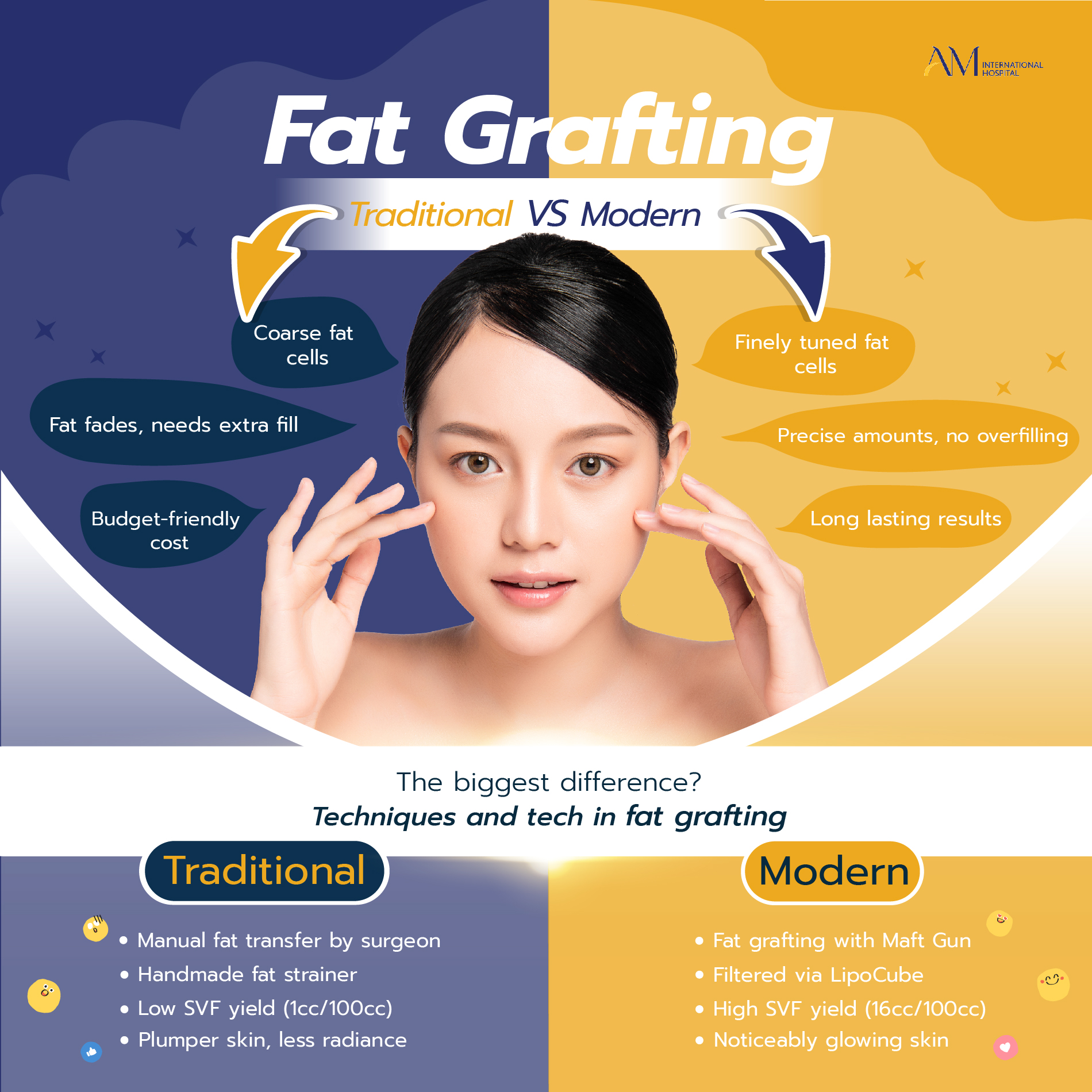
Traditional and modern fat grafting vary in techniques, tools, and results. Below is a rundown of both to guide you through the details.
Traditional Fat Grafting
Traditional fat grafting involves harvesting fat from areas like the abdomen or thighs and injecting it into target zones such as the face or breasts. The process follows a straightforward three-step:
- Fat Extraction: Excess fat is removed from under the skin using a syringe or basic liposuction tools.
- Fat Filtration: The harvested fat is strained through a custom sieve to remove fluids and tissues, leaving pure adipose fat.
- Fat Injection: The purified fat is carefully injected into the desired area, relying heavily on the surgeon’s precision for even results.
Benefits of Traditional Fat Grafting
- More affordable, especially when manual liposuction (no machines) is used.
- Shorter recovery time compared to machine-assisted fat removal.
Benefits of Traditional Fat Grafting
- More affordable, especially when manual liposuction (no machines) is used.
- Shorter recovery time compared to machine-assisted fat removal.
Modern Fat Grafting
Modern fat transfer takes efficiency to the next level with advanced technology that boosts fat cell survival rates. Popular innovations include:
- Stem Cell-Enriched Fat (Fat Stem Cell): Tools like LipoCube magically enhance fat quality and longevity by mixing it with stem cells.
- Precision Injection Techniques: Devices like the Maft Gun ensure uniform fat distribution with pinpoint accuracy.
- Cutting-Edge Equipment: From safer surgical methods to advanced liposuction machines, these tools minimize inflammation and improve post-procedure care.
Benefits of Modern Fat Grafting
- Significantly higher fat cell survival rates.
- Natural, smooth, and long-lasting results.
- Lower risk of calcification or lump formation.
- No need for excessive over-injection, preventing fat overcrowding.
- Safer process with reduced chances of severe inflammation.
Drawbacks of Modern Fat Grafting
- Higher cost due to specialized, often single-use equipment like LipoCube (single use equipment).
Popular Areas for Fat Grafting
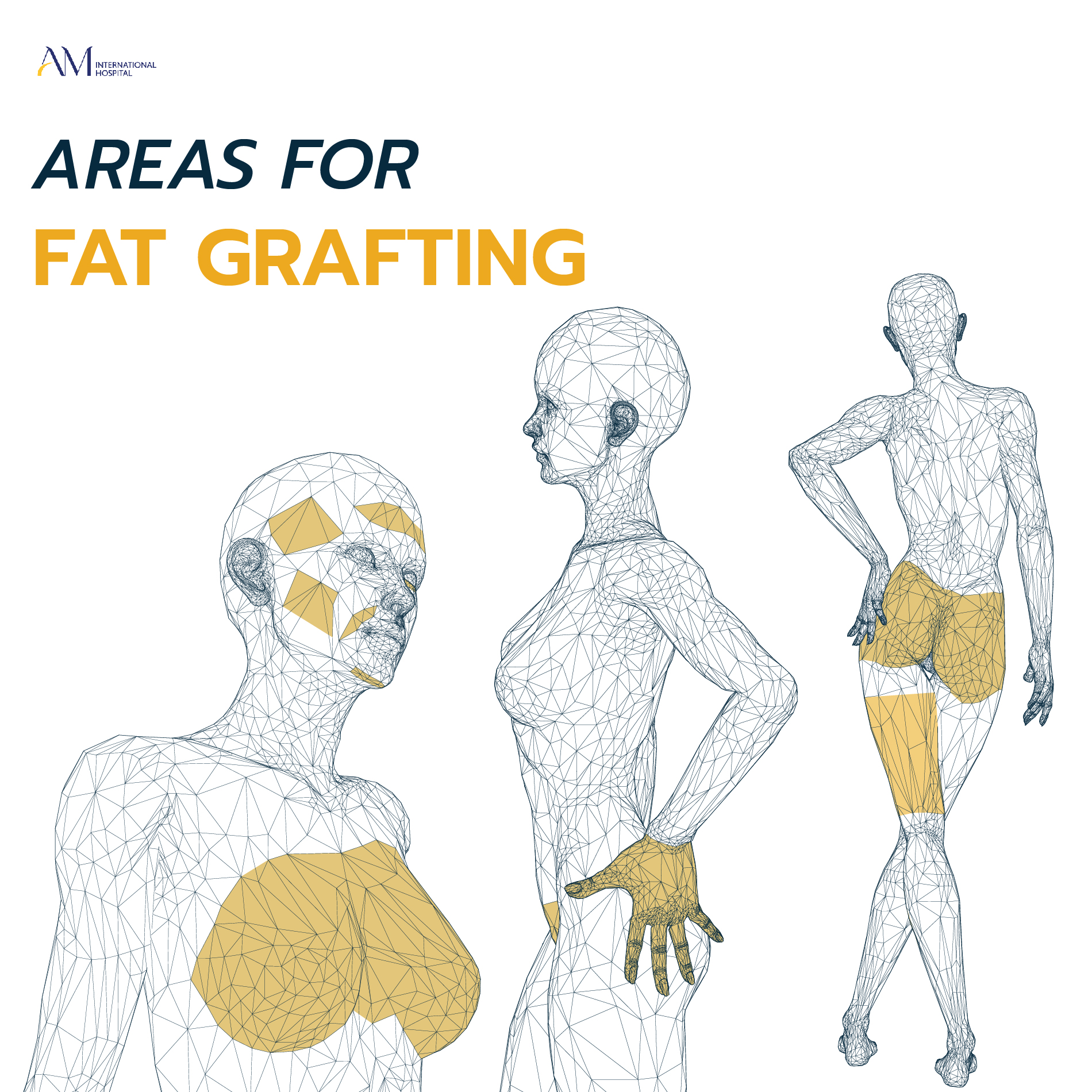
The most popular areas for fat grafting fall into two main categories: the face and the body. Each region has its purpose and delivers unique results—explore the top locations here.
Add Your Tooltip Text Here
Add Your Tooltip Text Here
Add Your Tooltip Text Here
Add Your Tooltip Text Here
Add Your Tooltip Text Here
Add Your Tooltip Text Here
Add Your Tooltip Text Here
Add Your Tooltip Text Here
Add Your Tooltip Text Here
Facial Fat Grafting Areas
For the face, fat transfer typically uses 10-100 cc of fat (depending on the specific area) to address tired-looking skin, wrinkles, or a flat, undefined appearance. Here are the go-to spots:
- Forehead — Adds a smooth, rounded contour for a softer, more dimensional look.
- Temples — Fill in hollow temples and restore a youthful vibe.
- Under-Eye Area —smooths deep tear troughs, brightening your eyes for a refreshed feel.
- Cheeks — Plumps sunken cheeks, giving your face a healthy, vibrant glow.
- Nasolabial Folds — soften deep smile lines, shaving years off your appearance.
- Chin — enhances chin shape for better facial balance and harmony.
Body Fat Grafting Areas
Beyond the face, fat grafting is a game-changer for body contouring, boosting confidence with natural curves. Popular areas for body fat grafting are:
- Breasts (25-400 cc) — Increases breast size naturally without implants or pairs with silicone.
- Hips and Buttocks (100-1300 cc per side) — adds volume for a perkier, curvier silhouette, fixing flat hips.
- Hands (5+ cc) — smooths wrinkles and hides bulging veins, leaving hands soft and youthful.
- Inner Thighs (25-400 cc) — balances thigh proportions, improving unevenness or overly slim legs.
- Vaginal Area (25-100 cc) — enhances moisture and fullness, improving skin tone and shape.
Who Is Fat Grafting Right For?
Health and body fat levels play a big role in whether it’s safe and effective for you. So, who’s the ideal candidate, and who might need alternatives? This is a comprehensive breakdown.
IDEAL Candidates
- Sufficient Excess Fat: You should have enough fat in areas like the abdomen or inner thighs to harvest for transferring.
- Seeking Volume: It is perfect for plumping your face, breasts, or hips naturally, tailored to specific needs.
- Natural Results Lovers: With tools like LipoCube, fat can be scrutinized into tiny, smooth particles for a seamless look.
- No Synthetics Preference: Fat transfer does not require any type of synthetics—a safer long-term choice with minimal allergy risks compared to silicone or fillers.
- Good Overall Health: Ideal Candidates need strong health—no serious chronic conditions and fit for surgery. Fat survival also relies on a healthy body.
Who Should SKIP Fat Grafting?
- Low Body Fat: A very thin body may lack enough fat to harvest, posing risks during the liposuction process.
- Severe Health Issues: Conditions like uncontrolled diabetes, serious heart disease, bleeding disorders, or anorexia can make surgery dangerous.
- Smokers: Regular smoking hampers blood flow, lowering fat cell survival rates.
- Post-Care Challenges: Fat grafting recovery is light, yet you’ll need to care for yourself after liposuction to avoid inflammation or infection.
- Weight Loss Plans: Losing weight later can cause grafted fat to shrink or fade faster.
ALTERNATIVES for Those Who’re Not for Fat Grafting
- Fillers: Hyaluronic acid injections offer a quick, no-downtime fix for small areas—great for budget-friendly, instant results.
- Synthetic Implants: Silicone works for boosting breasts or hips when there’s not enough fat to achieve your desired size.
- Non-Invasive Contouring: Tech like HIFU, Ultraformer III, or Morpheus8 lifts and tightens skin while boosting collagen—no surgery needed.
- Regular Skin Care: Think skincare routines, gradual weight gain for facial fullness, or gua sha massage to improve circulation, reduce wrinkles, and firm up your look.

What Are the Steps of Fat Grafting?
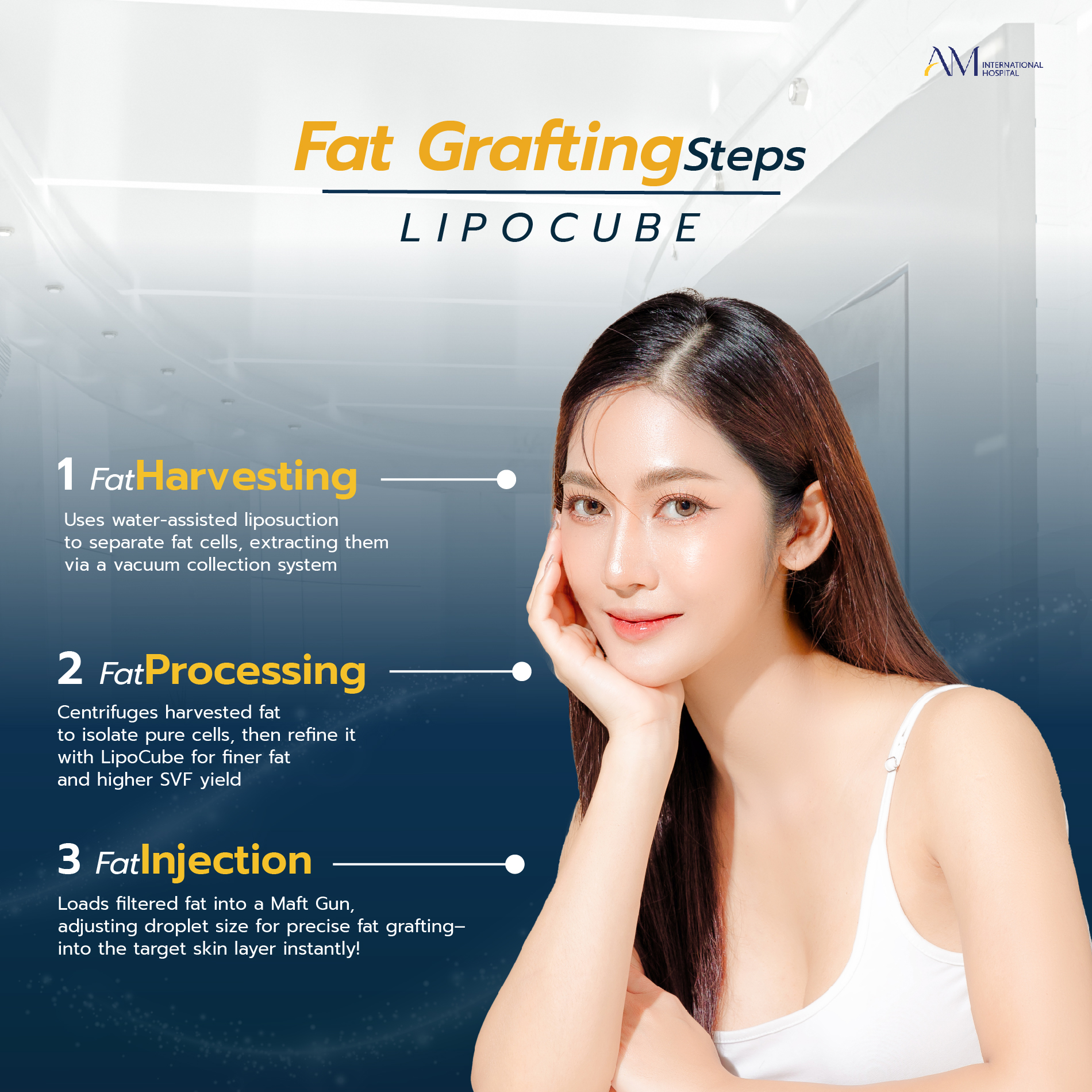
Since fat transfer involves liposuction for fat harvesting, the certain procedure of fat grafting includes 3 steps. Curious about how it works? Let’s walk through it!
Step 1: Fat Harvesting
Start with extracting excess fat from areas like your abdomen, thighs, or hips—spots where fat tends to hang out. Certainly, you’ll get local anesthesia or sedation before the procedure (this depends on the area and volume). Specialized tools are then used to remove just the right amount of fat. Surgeons often use water-assisted liposuction (WAL), a gentle technique that avoids heat to keep fat cells alive and viable.
Step 2: Fat Processing
After harvesting, the fat gets refined for injection. First, it’s separated from blood or saline using a centrifuge to isolate pure adipose fat. At AM International Hospital, we take it further—enhancing fat quality with tools like LipoCube, which can boost fat stem cell production, improving cell survival rates beyond standard filtration. The result? Cleaner, longer-lasting fat ready for transfer.
Step 3: Fat Injection
Finally, the purified fat is injected into the target area. Your surgeon maps out precise injection points, then uses a syringe to place small, even droplets into the right skin layer. For post-injection, they fine-tune the fat for balance and a natural look. At AM, cutting-edge tools like the Maft Gun ensure uniform fat droplets, crucial for delicate spots like under the eyes, delivering seamless, polished results tailored to each area.
Prepare for Fat Grafting: Before & After Tips
Getting ready for fat grafting and caring for yourself afterward are key to amazing results and fewer risks. Let’s break down what to do before and after this procedure for a smooth experience!
Before Your Fat Grafting Procedure
- Consult an experienced surgeon to discuss your goals and options.
- Get a health check to ensure you’re fit for surgery and flag any conditions that might interfere.
- Stop blood-thinning meds or supplements—like aspirin, anticoagulants, fish oil, or vitamin E—1-2 weeks prior.
- Avoid smoking and alcohol for at least 2 weeks before, as they impair blood flow and fat cell survival.
- Stay healthy: eat well, hydrate, and rest up. If you’re sick (fever, cold, infection), tell your doctor—you may need to reschedule.
- Wear comfortable, dark clothing on the day of the procedure—some fluid might leak from the liposuction sites.
After Your Fat Transfer Care
- Don’t press or massage the grafted area for 2-4 weeks to let the fat settle and bond with your skin.
- Wear a compression garment as directed (usually 4-6 weeks) to reduce swelling and shape your body.
- Skip intense exercise or lifting for at least 2 weeks—light walks are fine to boost circulation.
- Avoid extreme heat or cold (like hot showers or saunas) near the grafted area, as it can affect fat survival.
- Eat protein-rich foods to repair tissues and support fat cell longevity.
- Drink plenty of water to speed up recovery and keep your body running smoothly.
- Follow up with your doctor as scheduled to check your results and healing progress.
Pros and Cons of Fat Grafting
As mentioned earlier, fat grafting involves anesthesia, surgery, and a detailed recovery process, so weighing the benefits against the drawbacks is key before deciding. Here’s what you need to know.
Benefits of Fat Grafting
- Low Allergy Risk: Your own fat poses little chance of reaction or rejection compared to foreign substances.
- Natural Results: The fat is finely tuned for a smooth, soft finish—no hard lumps, just seamless integration with your skin.
- Dual Benefits: Remove unwanted fat from areas like the abdomen to plump up spots like your face, breasts, or hips—all in one go for a slimmer, balanced look.
- Long-Lasting Effects: Once the fat takes hold, it can last for years, potentially a decade, with proper care.
- Minimal Scarring: Small needles and advanced tools mean tiny incisions, leaving no big scars or stitches.
Drawbacks of Fat Grafting
- Not for Very Thin Figures: If you have too little body fat, it might not be enough fat to harvest for the procedure.
- Some Fat Loss: The body may reabsorb some fat, requiring touch-ups. Adding stromal vascular fraction (SVF) can boost survival rates.
- Swelling or Inflammation Risk: Poor post-care can lead to complications like swelling, so following your doctor’s advice is a must.
- Higher Costs: Specialized tools and techniques can make fat transfer pricier in some cases.
- Surgeon Skill Matters: Results depend on expertise—less skilled hands could lead to uneven outcomes or risks.
Side Effects of Fat Grafting: What to Watch For?
Fat grafting is indeed a safe procedure nowadays. Still, it’s smart to know the potential risks and what to keep an eye on. They fall into two main categories—check out the rundown.
Common Side Effects
- Swelling: Mild swelling at the injection or liposuction sites is normal for 1-2 weeks and fades on its own.
- Bruising or Redness: Needle marks or tools may leave temporary marks that vanish within 1-2 weeks. Laser treatments can speed up healing if needed.
- Soreness: You might feel slight tenderness where fat was taken or added, but your doctor will provide meds and care tips to ease it.
- Partial Fat Loss: The body naturally reabsorbs 10-50% of the fat, depending on the surgeon’s skill, fat quality, and tools used.
- Uneven Skin (Rare): If fat isn’t evenly distributed, the skin might look bumpy—choosing an experienced pro helps avoid this.
Serious Side Effects (Need Urgent Care)
- Severe Pain or Inflammation: Excessive redness, swelling, or pain lasting beyond 1-2 days could signal infection.
- Fever: A high temperature paired with swelling might mean an infection’s brewing.
- Hard Lumps: Unusual lumps could stem from uneven fat or fluid buildup—check with your doctor for solutions.
- Skin Discoloration: Dark patches might hint at poor blood flow in the grafted area.
- Fat Embolism: Very rare but serious, this happens if fat enters the bloodstream and blocks vital organs (lungs, brain). Watch for breathing trouble, chest pain, or fainting—often linked to inexperienced surgeons.
- Infected Liposuction Site: Pus or odor at the extraction site means possible infection from unclean procedures—get help fast.
Can I Combine Fat Grafting with Other Surgeries?
Absolutely. Fat grafting can often be paired with other cosmetic procedures, depending on your surgeon’s assessment and your health. These are popular pairing options:
- Breast Augmentation: Add fat transfer to silicone implants for softer, more natural curves—hiding implant edges with customizable cc’s.
- Facelift: Boost volume and tackle sagging skin in one go. Tools like ACCUtite or APYX One lift, remove, and transfer fat seamlessly.
- Body Contouring: Pair with J Plasma to tighten skin while harvesting and grafting fat—ideal for moderate sagging after liposuction.
- Eye Surgery: Combine with double-eyelid fixes or under-eye fat grafting to smooth deep lines and dark circles—low blood loss makes it a breeze.
- Nose Job: Enhance forehead or temples with fat while refining your nose for balanced, dimensional results that nourish skin, too.
Fat Grafting Cost
In Thailand, fat grafting starts at around 49,900 THB (USD 1,500) and up. Prices vary based on the technique, surgeon expertise, and hospital options. For an exact quote, reach out to your chosen facility directly.
What’s Included in the Fat Transfer Price?
- Surgeon’s fee
- Anesthesia by a certified anesthesiologist
- Hospital or clinic service charges
- Post-procedure medications
- Recovery room costs
- Optional equipment fees (e.g., for advanced fat transfer tools)
- 1-2 night hospital stay (if applicable)
- Compression garments for liposuction recovery
- Insurance (may or may not be included)
Note: Post-care fees or extra meds might not be covered, and insurance often isn’t either. Double-check the details with your provider before signing up.

Must-Know Questions Before Deciding on Fat Grafting
If you’re considering grafting but unsure where to start or what to ask your doctor, we cover you with a handy list of questions to clear your doubts and ease your worries!
- Does fat transfer hurt during or after the procedure?
- Will I need touch-ups? How often?
- What happens if complications arise—any extra costs?
- Will my body shape change after liposuction?
- How long is recovery? Do I need to stay in the hospital?
- Can I pick where the fat comes from to slim down, too?
- Has all the fat ever dissolved after grafting? Why?
- How experienced is the surgeon—any before-and-after examples?
- What’s unique about your fat grafting technique?
- Does the quoted cost cover everything, or are there add-ons?

FAQs About Fat Grafting
Fat transfer sparks lots of curiosity about the process, results, and limits. We will answer top questions to help you decide with confidence!
How Long Does Fat Grafting Last?
Some fat dissolves in 3-6 months (the body typically absorbs 50-70%), but 30-50% sticks around. With good care and stable weight, it can last decades!
Can I Undergo Fat Grafting Without Liposuction?
Nope—fat transfer needs your own fat, so liposuction from areas like the belly or thighs is a must. Too little fat? Ask your doctor for options.
How Long Is Recovery?
Most bounce back in 1-2 days, but skip heavy exercise for 1-2 weeks to protect the grafted fat and liposuction sites.
Does It Hurt?
Not during—local or general anesthesia keeps you comfy. Afterward, expect mild soreness, eased by pain meds and care tips, fading in 1-2 weeks.
Why Do Some Faces Look Off After Fat Grafting?
Failed fat grafting results often stem from unskilled surgeons or poor techniques (wrong skin layer, subpar tools). Pick a trusted clinic to avoid this!
When Can I Wear Makeup?
Wait 5-7 days post-fat grafting to let swelling subside and skin heal—prevents infection and protects the fat.
Can I Eat Eggs After?
Yes, eggs are fine! Focus on healthy eats, avoiding high sugar, fat, or sodium to speed healing.
Can I Sleep on My Side?
Avoid side-sleeping for 1-2 weeks to prevent pressing the grafted area—keeps fat survival high.
Too Thin for Fat Grafting?
Super slim folks might not have enough fat—fillers could be a backup plan after a doctor’s check.
Lips Okay for Fat Transfer?
Yes, lips can get plumped with fat! It’s a delicate spot, so consult your surgeon for expert advice.
Fat Grafting vs. Fillers: What’s the Difference?
Fat grafting uses your fat for natural, potentially permanent results but requires liposuction. Fillers (like hyaluronic acid) are precise, synthetic, and ideal for low-fat folks, lasting 6-18 months.

Main Insights
Fat grafting takes excess fat from spots like your stomach or thighs and boosts areas needing volume—think face, breasts, or hips—for better curves and skin health. It’s surgery, though, involving anesthesia, specialized tools, and a skilled surgeon. Still on the fence about fixing a flat face, hip dips, or a small chest? Chat with pros at AM International Hospital to get started!

