
Spot Liposuction in Bangkok Effectively Removing Excess Fat
Dreaming of a more sculpted body? Liposuction in Bangkok can help reshape areas like your thighs and abdomen by safely removing stubborn fat that diet and exercise often can’t touch. This procedure goes beyond simply removing unwanted fat, it’s about improving your entire silhouette with targeted sculpting, boosting your confidence, and helping you feel truly comfortable in your own body.
However, the success of liposuction in Bangkok depends on several factors, including the techniques used, the surgeon’s expertise, and your overall health. Curious about how it works and if it’s the right choice for you? Let’s explore the must-know details of liposuction in Bangkok!
Table of Contents
Types of Liposuction and How to Choose the Right One
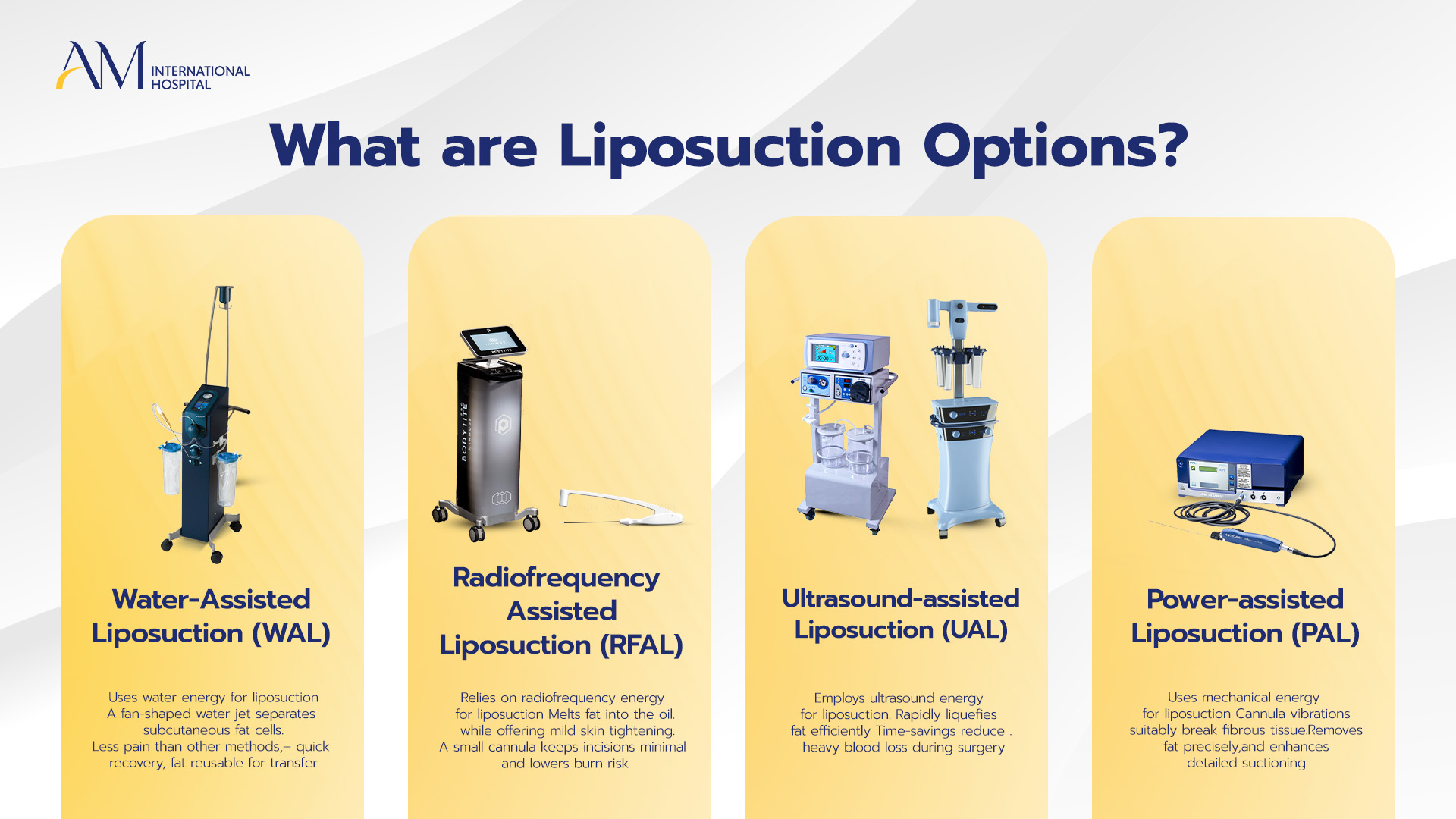
When considering liposuction in Bangkok, it’s important to understand that excess fat can vary in its characteristics and location. To address these unique needs effectively, a range of specialized liposuction techniques are available. This ensures that the most suitable and effective method can be precisely chosen for each individual case, leading to optimal results. The five primary methods commonly offered in Bangkok include
Conventional Liposuction
Conventional Liposuction, also known as Tumescent Liposuction or Suction-Assisted Liposuction (SAL), is a widely practiced fat removal technique. It involves infiltrating a tumescent solution (saline, anesthetic, and epinephrine) into the fatty tissue. This solution numbs the area, minimizes bleeding, and loosens fat. A thin cannula is then used to manually dislodge and suction out the fat cells. This method relies significantly on the surgeon’s skill for smooth results
Pros of Conventional Liposuction
- Has a long history of successful fat removal, well-understood by surgeons in liposuction Bangkok.
- Often more affordable than newer technologies.
- Effective for removing significant amounts of fat.
- Allows for precise manual control over fat removal.
Cons of Conventional Liposuction
- Can result in greater post-procedure discomfort and visible side effects.
- Generally requires a longer recovery period.
- Higher risk of uneven results if not performed by an experienced surgeon.
- Manual agitation can damage fat cells, making them less viable for fat-grafting.
Water-Assisted Liposuction (WAL)
Water-Assisted Liposuction (WAL) is a sophisticated technique performed under local anesthesia. This method uses a gentle, pulsating stream of water to effectively loosen fat cells from surrounding tissues before they are carefully suctioned out. The Body-Jet is a prominent device utilized in WAL, renowned for its ability to preserve the integrity and viability of fat cells. This makes WAL a top choice for those considering fat grafting or fat transfer procedures in Bangkok, where healthy fat cells are crucial for successful augmentation in areas like the breasts or face.
Pros of WAL
- Not generating heat prevents thermal damage to surrounding tissues and fat cells.
- Enhances safety during the procedure.
- Often allows for a shorter recovery time compared to other methods.
- Excellent for collecting viable fat cells for transfer to other body areas.
Cons of WAL
- The gentle nature of the water-jet can sometimes extend the duration of the surgery.
- May retain slightly more tumescent fluid post-procedure than some other methods.
- Final results may take about a month to become fully apparent as swelling subsides.
Radiofrequency-Assisted Liposuction (RFAL)
Radiofrequency-Assisted Liposuction (RFAL) offers a dual benefit by combining effective fat removal with significant skin tightening, a popular combination for those seeking liposuction in Bangkok. This innovative technique uses Radio Frequency (RF) energy to generate controlled heat. This heat serves two primary purposes: it effectively liquefies fat cells, making them easier to remove, and simultaneously stimulates the body’s natural collagen production.
The result is firmer, more toned skin in the treated areas. Devices such as BodyTite and FaceTite are widely used for RFAL, featuring both internal and external electrodes that work in unison to melt fat and tighten tissues concurrently.
Pros of RFAL
- The risk of thermal damage to the skin is significantly minimized because of the built-in cooling mechanisms of the external electrode.
- Clients often notice visible skin tightening effects right after the treatment, which continue to improve over time.
- The procedure requires only small incisions, leading to less scarring.
Cons of RFAL
- If not meticulously controlled by an experienced surgeon, there’s a potential risk for thermal damage to tissues.
- While effective for mild to moderate skin laxity, RFAL may not be sufficient for severe skin sagging, where traditional surgical interventions or a tummy tuck might be more appropriate.
Ultrasound-Assisted Liposuction (UAL)
Ultrasound-assisted liposuction (UAL) uses a technique that employs high-frequency ultrasonic waves, delivered through a cannula to liquefy fat cells. The primary mechanism of UAL is the vibrations from the ultrasound waves break apart the fat cells, making them much easier to suction out. Heat generation is a secondary effect of this process.
Popular devices used for Ultrasound-Assisted Liposuction in Bangkok include Ultra Z, which is particularly effective for targeting smaller, more precise fat deposits, and Vaser, known for its adjustable energy levels and often preferred for treating clients with larger fat volumes or denser, more fibrous fat (which is often characteristic of male clients or high BMI clients).
Pros of UAL
- Provides fast and efficient suction, making it ideal for removing larger volumes of fat.
- The rapid liquefaction of fat cells often leads to a quicker overall procedure.
- The heat generated can stimulate collagen production, offering a noticeable mild skin tightening effect.
- Compared to conventional liposuction, UAL can result in less bruising and trauma to surrounding tissues.
Cons of UAL
- Due to a potentially higher risk of swelling, the recovery period might be more extended than some other methods.
- The ultrasonic energy can damage fat cells, rendering them non-viable for subsequent fat grafting or transfer procedures.

Power-Assisted Liposuction (PAL)
Power-Assisted Liposuction (PAL) utilizes a specialized cannula that rapidly vibrates, making it exceptionally effective at dislodging stubborn fat deposits. This mechanical assistance allows for fat cells to be suctioned out with greater ease and efficiency compared to traditional liposuction methods.
The PAL method stands out for offering enhanced precision, minimizing trauma to surrounding skin tissue, and reducing physical effort for the surgeon. This combination makes it a highly efficient option for detailed body contouring, popular in liposuction Bangkok hospitals. The MicroAire PAL is widely recognized as the leading machine for this technique.
Pros of PAL
- This technique does not generate heat, thereby preventing the risk of skin burns and thermal damage to tissues.
- Its enhanced precision makes it ideal for detailed sculpting, such as creating defined lines like “Sexy Line” contouring liposuction.
- Offers a variety of cannula options that can be specifically chosen to target different body areas and fat densities.
Cons of PAL
- It may be less effective in clients who have significant fibrous adhesions from previous surgeries or trauma.
- Carries the inherent risks common to all liposuction procedures, such as fluid imbalance, infection, or irregularities.
- Due to the specialized equipment and technology involved, PAL procedures typically incur higher costs compared to conventional liposuction.
Liposculpture (Body Contouring)
Liposculpture, or body contouring liposuction, is the next step in fat removal techniques. It moves beyond simply eliminating excess fat to focus on “designing the body’s shape.” This technique integrates both anatomical knowledge and artistic vision. Surgeons meticulously consider muscle definition, natural curves, and individual body proportions to create a more sculpted and natural-looking physique.
Liposculpture is frequently performed on areas like the abdomen (to create muscle definition or a six-pack), waistline, back, flanks, upper arms, and thighs. It’s also highly effective for areas requiring precise detail, such as the rib cage lines, male pseudo-gynecomastia, or specific muscle grooves on the back.
Pros of Liposculpture
- Goes beyond simple fat removal to significantly improve overall body contours and proportions.
- Achieves a natural appearance by following the body’s true anatomical structure and muscle lines, avoiding a stiff or unnatural look.
- Allows for highly personalized results, ideal for individuals seeking specific outcomes like defined abdominal muscles or a more hourglass figure with a snatched waist.
- The removed fat can often be purified and used for fat transfer to other areas, such such as the hips or breasts, to further enhance overall body symmetry.
Cons of Liposculpture
- Success heavily relies on the surgeon’s extensive skill, experience, and artistic eye, as detailed body design requires meticulous planning and execution.
- Typically more expensive than conventional liposuction due to the specialized techniques, additional equipment, and increased complexity of the body design process.
- Outcomes are influenced by individual body structures, such as fat thickness, muscle definition, and skin elasticity, which can limit the extent of sculpting.
- Requires more diligent post-operative care, including specific compression garments, use of supportive devices, dedicated recovery time, and potentially specialized massages along muscle lines, as advised by the surgeon.
Common Liposuction Treatment Areas
As we know, liposuction targets excess fat in specific body areas, sculpting and refining your shape. Here are some of the most common areas clients choose for liposuction in Bangkok:
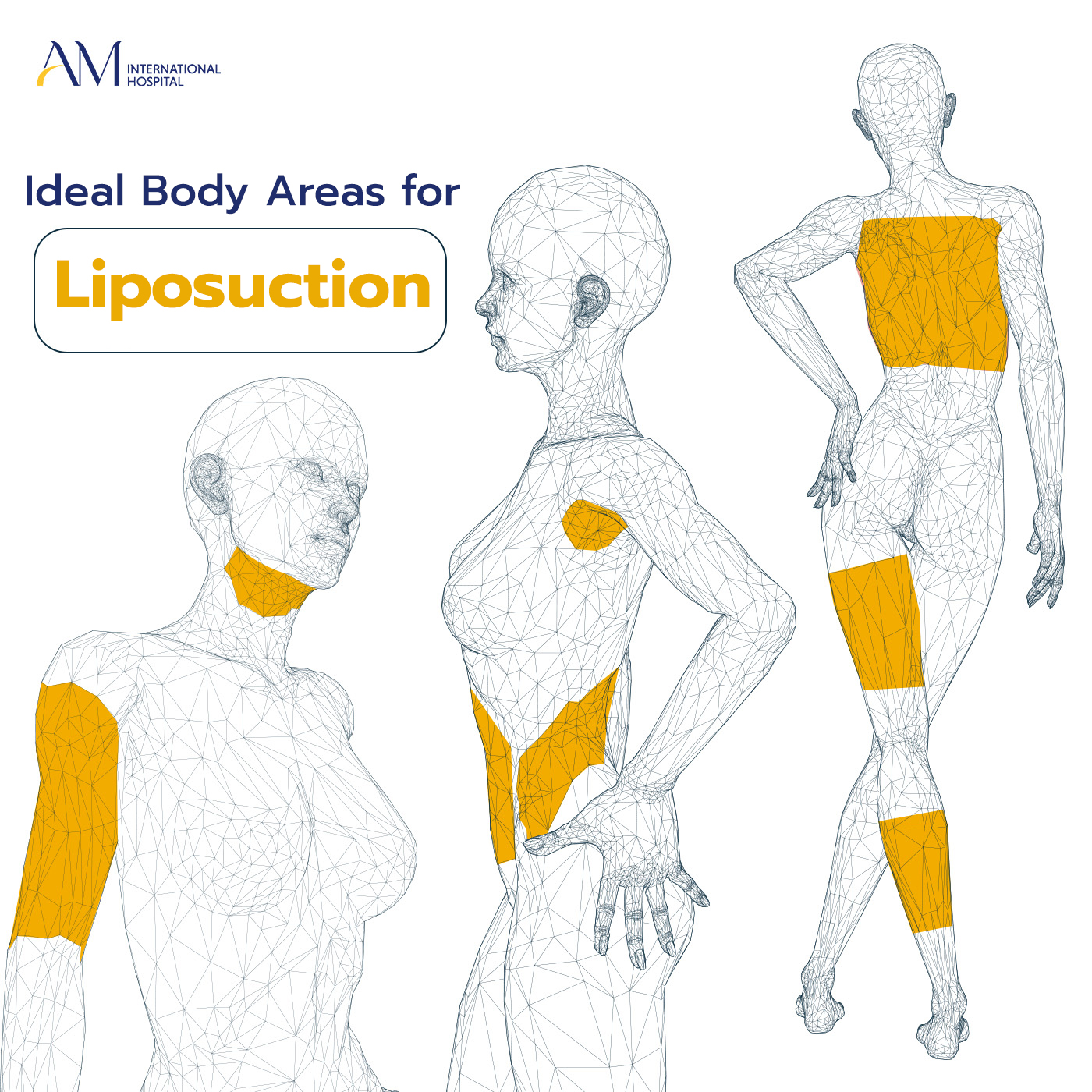
Removes belly fat, like the lower pooch.
Shapes and defines your waistline.
Sculpts thighs and knees by removing fat.
Contours upper arms and eliminates bra rolls.
Reduces submental fullness for a sharper jawline.
Clears bra bulge and refines your back.
Shapes calves by removing lower-leg fat.
Abdominal Liposuction
Abdominal liposuction is one of the most popular procedures, ideal for individuals with stubborn fat accumulation in the upper abdomen, lower abdomen, or around the waist. Even with consistent exercise and diet, these areas can be resistant to fat loss. Abdominal liposuction helps create a slimmer silhouette, effectively reducing a protruding belly or lower abdominal bulge.
Chin and Neck Liposuction
The area under the chin, often referred to as “Double chin” or “Submental fat,” is another common spot for fat accumulation. Chin and neck liposuction can significantly help in achieving a more defined jawline, slimming the face, and reducing the appearance of sagging skin under the chin.
Upper Arm Liposuction
Excess fat in the upper arms can make arms appear large or saggy, and reducing arm fat through exercise alone can be challenging. Upper arm liposuction helps create a more slender and toned appearance, allowing for greater confidence in various clothing styles.
Thigh Liposuction
The inner and outer thighs are common areas for fat accumulation, particularly for women, often leading to concerns about large thighs, inner thigh rubbing, or disproportionate thighs. Thigh liposuction can effectively reduce thigh size, minimize chafing, and create more slender and symmetrical legs.
Waist and Flank Liposuction
Fat around the waist, often called “Love handles,” is a common and challenging area to reduce independently for both men and women. Waist and flank liposuction helps to create or enhance the natural curves of the torso, resulting in a more sculpted and proportionate physique.
Back Liposuction
The upper and lower back often accumulate significant fat, leading to noticeable bulges such as bra rolls (fat around the bra line), lower back fat, or fat near the upper arms. Back liposuction can help smooth and flatten the back contour, reduce skin folds and bra rolls, and decrease sagging, allowing for greater confidence in clothing.
Calf Liposuction
While the calves primarily consist of muscle, some individuals may also have fat deposits in this area, which can be hard to differentiate on their own. For those with large, bulky or out of proportion calves due to fat, calf liposuction can be a highly effective solution to achieve a more contoured and slender lower leg appearance.
Chest Liposuction
Chest liposuction is primarily used to address gynecomastia, or enlarged male breast tissue. In some cases, this procedure may be performed in conjunction with breast lift or reduction surgery, depending on the individual’s needs and the surgeon’s recommendation, to achieve a flatter, more masculine chest contour.
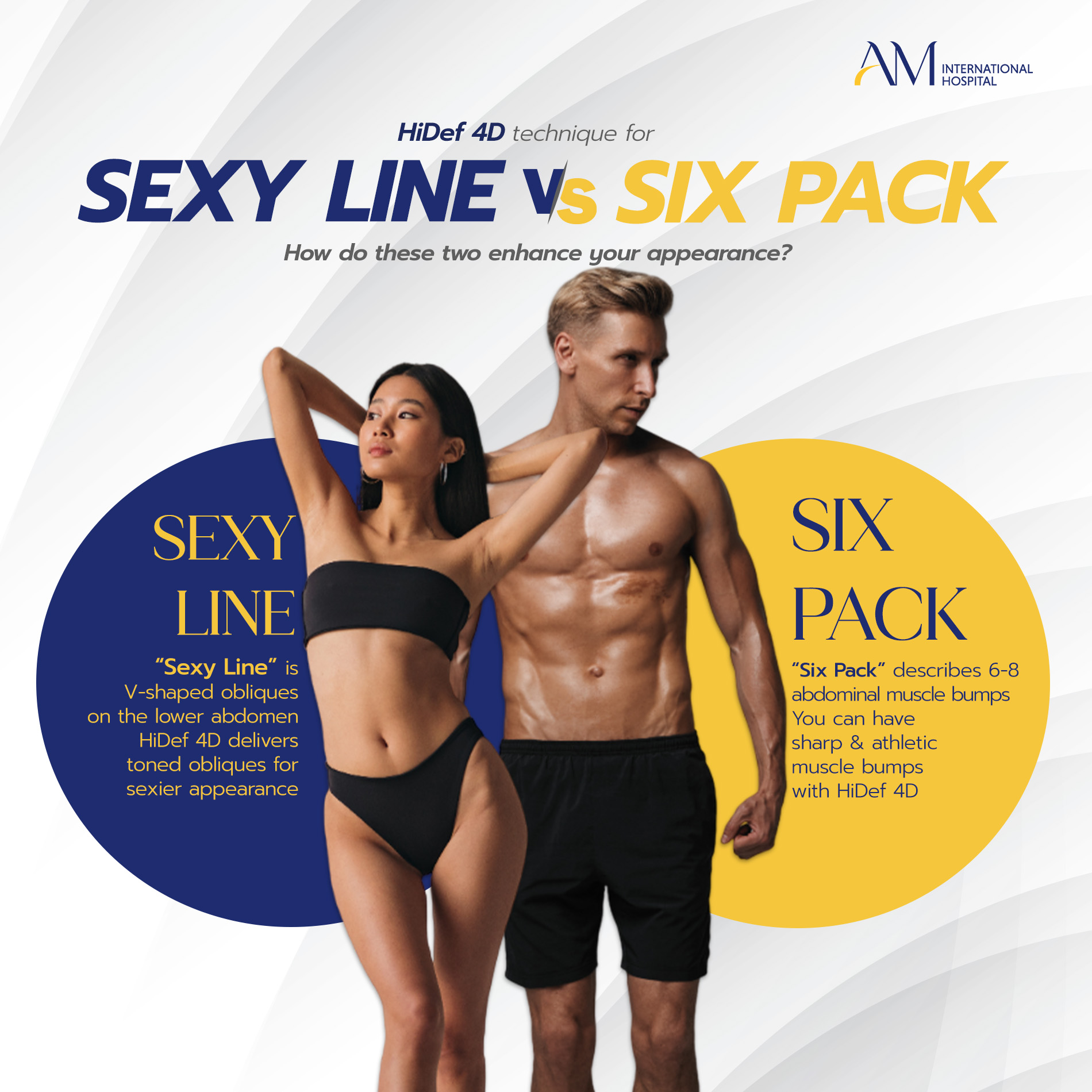
While traditional liposuction focuses on fat reduction, many now also seek defined muscle lines for a more athletic look. At AM International Hospital, our HiDef 4D techniques can sculpt striking muscle contours during liposuction in one seamless step. Here’s how:
- HiDef 4D Sexy Line Contouring: This technique refines abdominal or waist liposuction by sculpting muscle lines, like the V-shaped obliques on the lower abdomen. It delivers a contoured, toned midsection for a bold, sexy appearance.
HiDef 4D Six-Pack Contouring: This helps tone abs by precisely removing fat around the abdominal muscles. It can be done as a single procedure or combined with abdominal or waist liposuction to create a sharp, athletic look.
Who is a Suitable Candidate for Liposuction (and Who Isn't)?
While liposuction is an incredibly powerful way to remove stubborn fat and refine your body shape, it’s crucial to understand it’s not for everyone. Assessing whether you’re a good fit involves considering your overall health, fat distribution, and desired outcomes.
Ideal Candidates for Liposuction
- Individuals with localized subcutaneous fat buildup. This refers to excess fat beneath the skin that disproportionately affects your body shape, despite diet and exercise.
- Those with a Body Mass Index (BMI) of 30 or lower. While a BMI over 30 doesn’t automatically disqualify you, it’s important to consult with a doctor as higher BMIs may require different considerations.
- People with stable weight. Ideally, your weight should have been stable for 6-12 months, or you’ve reached a plateau after significant weight loss.
- Anyone with uneven body contours. If you have specific, localized fat deposits that create disproportionate body contours, liposuction can help achieve a more balanced silhouette.
Unsuitable Candidates for Liposuction
- Suffer from certain chronic conditions. This includes severe or uncontrolled cancer, diabetes, morbid obesity, high blood pressure, autoimmune diseases, or significant cardiovascular issues. Always discuss your full medical history with your doctor for clarity.
- Have compromised immune systems or HIV. These conditions can increase the risk of infection and complications following surgery.
- Have other hard-to-control medical conditions. Unstable asthma, epilepsy, or uncontrolled thyroid disorders can pose risks during and after the procedure.
- Have severe skin laxity. If your primary concern is significant loose or sagging skin rather than just fat, a procedure like a tummy tuck might be a more effective solution for you.
Alternatives for Those Who Cannot Undergo Liposuction
Body concerns vary, and liposuction isn’t always the most suitable answer for everyone. While liposuction in Bangkok excels at fat removal without significant skin laxity, other options are available depending on your specific needs such as
- J Plasma skin tightening. Consider this for moderate skin laxity where you desire significant skin contraction.
- Tummy Tuck. This surgical procedure is often recommended for severe abdominal sagging, especially if combined with excess fat and Diastasis Recti.
- Weight-loss pens. For individuals with a high BMI (over 40), these can assist with appetite control and support dietary changes for overall weight reduction.
- TESLA Former III. This non-invasive treatment is an excellent choice for minimal fat concerns and primarily focuses on muscle toning and strengthening.

Comparison of the Pros and Cons of Liposuction
Liposuction is a surgical procedure that involves incisions and manipulating tissues to remove fat. Like any cosmetic surgery, it offers significant benefits but also comes with potential drawbacks. Here’s what you need to know when considering liposuction in Bangkok.
Advantages of Liposuction
- Precise Fat Removal. It precisely targets and removes localized excess fat that’s resistant to diet and exercise.
- Reduced Body Size & Improved Contours. Effectively reduces body circumference and improves your overall shape and proportions.
- Enhanced Comfort & Mobility. By removing bulk, it can improve comfort and make movement easier, especially in areas with significant fat accumulation.
- Decreased Skin Friction & Chafing. Reduces friction and chafing in areas where skin folds or thighs rub together.
- Better Fit for Clothing. You’ll likely find that your clothes fit better, and you may even need to resize your wardrobe.
- Opportunity for Fat Transfer. The removed fat can often be used for fat grafting to enhance other body areas like the breasts or buttocks.
- Boosted Confidence. Achieving your desired body contours can significantly boost your self-confidence and comfort in daily life.
Disadvantages of Liposuction
- Does Not Target Visceral Fat. Liposuction only removes subcutaneous fat and cannot eliminate visceral fat, which is the fat surrounding your organs inside the abdomen.
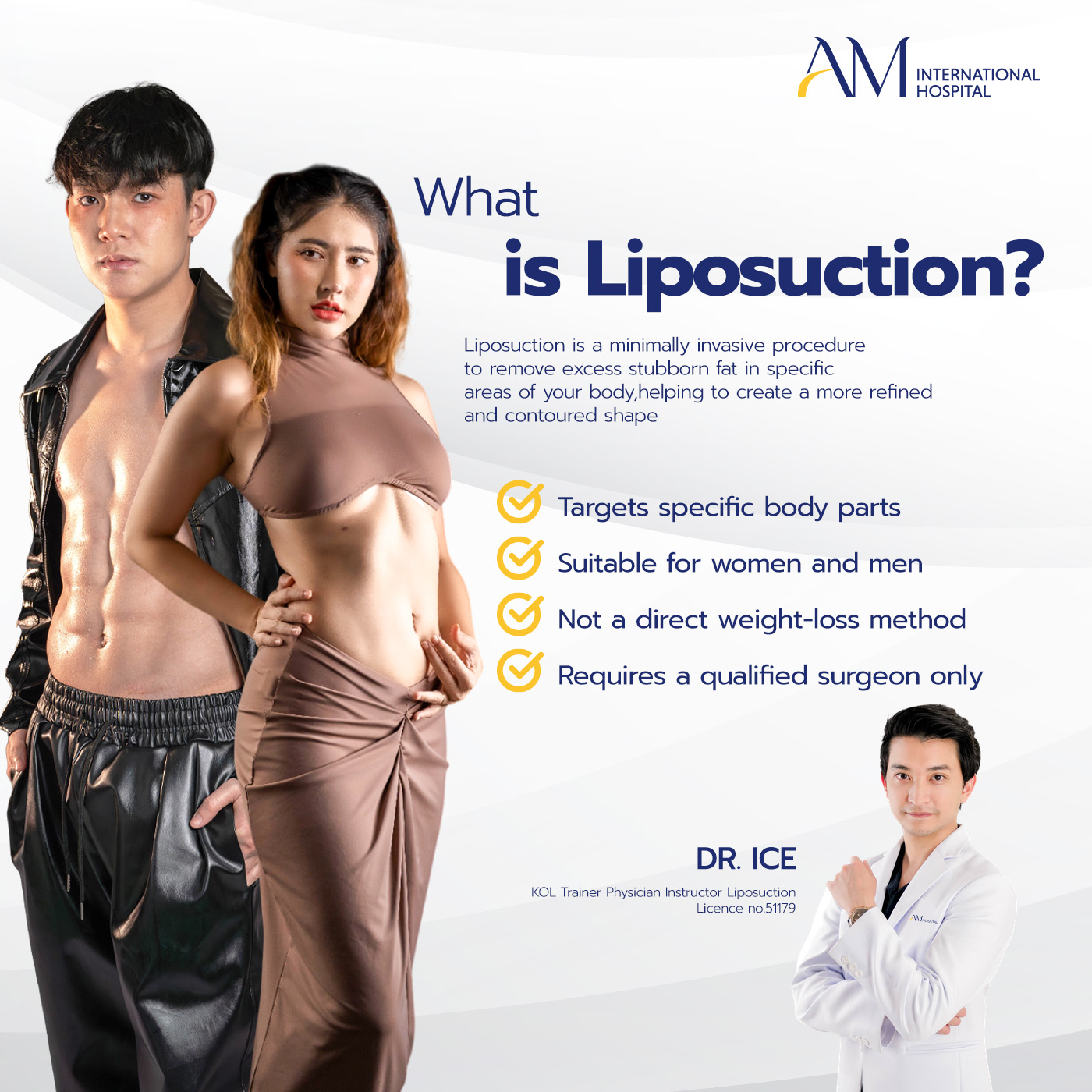
- Not a Direct Weight Loss Solution. It’s important to understand that liposuction is a body contouring procedure, not a primary method for significant weight loss.
- Post-Procedure Discomfort. You may experience common side effects such as swelling, inflammation, bruising, or pain in the treated areas.
- Requires Recovery Time. Depending on the technique and extent of the procedure, you’ll need downtime, potentially requiring 2-3 days off work or more.
- Risk of Uneven Results. If post-operative care instructions aren’t followed diligently (e.g., wearing compression garments), there’s a risk of uneven skin contours or irregularities.
Comparison of the Pros and Cons of Liposuction
Liposuction is a surgical procedure that involves incisions and manipulating tissues to remove fat. Like any cosmetic surgery, it offers significant benefits but also comes with potential drawbacks. Here’s what you need to know when considering liposuction in Bangkok.
Advantages of Liposuction
- Precise Fat Removal. It precisely targets and removes localized excess fat that’s resistant to diet and exercise.
- Reduced Body Size & Improved Contours. Effectively reduces body circumference and improves your overall shape and proportions.
- Enhanced Comfort & Mobility. By removing bulk, it can improve comfort and make movement easier, especially in areas with significant fat accumulation.
- Decreased Skin Friction & Chafing. Reduces friction and chafing in areas where skin folds or thighs rub together.
- Better Fit for Clothing. You’ll likely find that your clothes fit better, and you may even need to resize your wardrobe.
- Opportunity for Fat Transfer. The removed fat can often be used for fat grafting to enhance other body areas like the breasts or buttocks.
- Boosted Confidence. Achieving your desired body contours can significantly boost your self-confidence and comfort in daily life.
Disadvantages of Liposuction
- Does Not Target Visceral Fat. Liposuction only removes subcutaneous fat and cannot eliminate visceral fat, which is the fat surrounding your organs inside the abdomen.
- Not a Direct Weight Loss Solution. It’s important to understand that liposuction is a body contouring procedure, not a primary method for significant weight loss.
- Post-Procedure Discomfort. You may experience common side effects such as swelling, inflammation, bruising, or pain in the treated areas.
- Requires Recovery Time. Depending on the technique and extent of the procedure, you’ll need downtime, potentially requiring 2-3 days off work or more.
- Risk of Uneven Results. If post-operative care instructions aren’t followed diligently (e.g., wearing compression garments), there’s a risk of uneven skin contours or irregularities.

Comparison Table of Different Liposuction Technologies
Choosing the right technique is key to achieving your desired results of liposuction in Bangkok. Each technology has unique mechanisms, advantages, and disadvantages. This table provides a concise comparison to help you understand the differences between the most common liposuction methods.
Feature / Technology | Conventional Liposuction (SAL) | Water-Assisted Liposuction (WAL) | Radiofrequency-Assisted Liposuction (RFAL) | Ultrasound-Assisted Liposuction (UAL) | Power-Assisted Liposuction (PAL) | Liposculpture (Body Contouring) |
Mechanism | Manual cannula movement after tumescent fluid infiltration to dislodge and suction fat. | Uses water pressure to gently separate fat cells. | Uses RF energy to generate heat, separating fat cells. | Uses ultrasonic waves to generate heat, separating fat cells. | Uses mechanical energy from 4,000 vibrations/min of the cannula to separate fat cells. | Combines fat removal with artistic sculpting based on muscle lines and body anatomy. |
Pain Level (Post-op, 1-10 Scale) | 5/10 (Tolerable) | 2/10 (Very Low Pain) | 2-6/10 (Tolerable, less pain in some areas) | 5/10 (Tolerable) | 5/10 (Tolerable) | Moderate to high (depends on technique) |
Key Advantage | Well-established, cost-effective, good for large volumes. | Less pain, fast recovery, low inflammation. | Tightens skin, reduces skin laxity. | Effectively separates very dense fat cells. | Good for detailed work, reduces pain when combined with other machines. | Highly customized, natural-looking results; creates muscle definition/curves. |
Ideal For | General fat reduction, large areas. | Doesn’t want long recovery, afraid of pain, small amount of fat accumulation, slight skin laxity. | Small fat accumulation, mild skin laxity. | Stubborn fat, larger body shapes/thick fat layers. | Large fat accumulation, desires detailed body sculpting. | Achieving artistic muscle definition, specific body shapes (e.g., hourglass, six-pack). |
Common Treatment Areas | Abdomen, waist, upper arms, thighs, back. | Abdomen, waist, upper arms, thighs, back, knees. | Chin, abdomen, upper arms, waist, legs, etc. | Abdomen, waist, upper arms, thighs, back, knees. | Used as an enhancement with other liposuction machines. | Requires highly experienced surgeons; higher cost; results depend on individual anatomy. |
Typical Procedure Time | Varies by area (used as an enhancement). | 60–120 mins / area | 30 mins | Varies by area (used as an enhancement). | 30–60 mins | Varies by area (used as an enhancement). |
Typical Downtime | 1-2 weeks | 1-2 days | 0-7 days | 3-7 days | 3-7 days | Varies based on technique and extent; typically 1-5 days. |
Incision Size | 3-5 mm | 3-5 mm | 1-4 mm (depends on chosen cannula tip) | 3-5 mm | 3-5 mm | 3-5 mm |
Time to See Full Results | 2–6 months | 2–6 months | 3–6 months | 3–6 months | 1–2 months | 1–2 months |
Hospital Admission | Outpatient or 1 night (large volume) | Outpatient | Outpatient | Outpatient or 1 night (large volume) | Outpatient | Outpatient or 1 night (depends on extent) |
Starting Cost (Approx.) | ฿25,000 | ฿39,000 | ฿25,000 | ฿25,000 | ฿25,000 (Used with other machines, cost depends on hospital conditions) | ฿25,000 (Used vary machines, cost depends on hospital conditions) |
What are the Types of Liposuction Cannulas?
Liposuction cannulas, or liposuction tips, are vital tools in the fat removal process. Choosing the right cannula is crucial for not only enhancing the efficiency of fat breakdown but also for minimizing the risk of complications during the procedure. While there are about 14 different types of cannulas, they can be broadly categorized into four main groups based on their specific purpose.
1. Harvesting Cannulas
These cannulas are specifically designed for collecting viable fat cells to be used in fat grafting or fat transfer procedures. Harvesting cannulas prioritize gentle separation and minimal damage to the fat cell structure, ensuring the cells remain intact and suitable for subsequent use. Examples include:
- Del Vecchio Track-12 Cannulas. Multi-holed cannulas that allow for 270-degree suction, enabling surgeons to collect fat more comprehensively.
- Multi-Hole Cannulas. These multi-holed cannulas rotate 360 degrees, facilitating the collection of larger quantities of fat from multiple directions.
2. Specialty Cannulas
Specialty cannulas are developed to access complex or hard-to-reach areas like the neck, back, calves, and chest (especially for gynecomastia surgery). Their unique shapes and angles provide surgeons with enhanced control and precision for fat removal in these specific locations. Examples include:
- Helixed Tri-Port III Cannulas. Primarily used for male breast reduction in cases of gynecomastia.
- Spatula Cannulas. Featuring a flattened tip, these are ideal for delicate areas such as the neck and back.
- Flared Mercedes Cannulas. Designed with a specific shape to aid in body sculpting and contouring.
- Bent Cannulas. Angled to reach curved or intricate areas.
- Turbo Cannulas. Engineered to increase the speed of fat aspiration.
3. High-Definition Cannulas
High-Definition (HD) cannulas are instrumental in sculpting superficial fat layers to create muscle definition and enhance body contours. They are used to create features like a six-pack abdomen, Line 11 (Abdominal lines), or defined shoulder caps. The focus is on precise removal of excess fat while strategically leaving a thin layer to accentuate muscle lines for a natural, athletic appearance.
4. Extraction Cannulas
This group of cannulas is designed for removing unwanted fat that is not intended for re-injection. They focus on aspirating large volumes of fat efficiently while aiming to minimize impact on skin layers and reduce side effects like skin burns or unevenness. Examples of extraction cannulas include:
- Single-Port Cannulas. Feature a 90-degree angle, used in areas requiring high precision.
- Mercedes Cannulas. Offer 360-degree fat aspiration, suitable for general use across various areas.
- Double Mercedes Cannulas. Specifically designed for areas with significant fibrous adhesions.
- Mirrored Tri-Port II Cannulas. Very thin cannulas offering 270-degree aspiration, ideal for areas demanding high detail.
- Tri-Port II Cannulas. Used for deep-layer fat aspiration with 270-degree coverage.
- Tri-Port III Cannulas. Extra-small cannulas with 90-degree aspiration, perfect for small areas or spots requiring extreme precision.
Liposuction Cannula Comparison Table
Understanding the different types of liposuction cannulas is key to achieving optimal results and ensuring safety during your liposuction in Bangkok. Each cannula type is designed for a specific purpose, offering unique advantages.
Feature / Cannula Type | Harvesting Cannulas | Specialty Cannulas | High-Definition Cannulas | Extraction Cannulas |
Primary Purpose | To gently aspirate viable fat cells for re-injection (fat grafting). | To access complex or hard-to-reach areas. | To sculpt superficial fat layers and create muscle definition/body lines. | To remove large volumes of deep fat not intended for re-injection. |
Key Characteristic | Gentle aspiration, preserves cell integrity. | Precise control in intricate or confined spaces. | Targets superficial fat, emphasizes accuracy for sculpting. | Efficient high-volume fat removal. |
Advantages | – Minimizes cell damage – Ideal for fat grafting | – High precision – Suitable for small, narrow areas (e.g., neck, back) | – Can create six-pack/Line 11 definition – Achieves a beautifully contoured, three-dimensional physique | – Removes large amounts of fat – Promotes smooth skin, reduces waviness (when used correctly) |
Disadvantages | – Takes longer than general cannulas – Not suitable for very large volume removal | – Requires highly skilled surgeon – Slower fat removal than general cannulas | – Requires high skill – Higher risk of swelling/bruising if not done precisely | – Fat cannot be reused – Not suitable for fat harvesting |
Ideal For | Facial fat grafting, breast augmentation with fat, buttock augmentation. | Small, narrow areas / Male gynecomastia surgery. | Individuals desiring clear muscle definition and a fit appearance. | Individuals with very dense fat / larger body types. |
The Liposuction Procedure Steps
Liposuction is a surgical procedure with a relatively straightforward process. Fundamentally, it involves three main stages: managing discomfort, separating fat cells, and removing the fat from the body. Here’s a detailed breakdown of the steps involved in a liposuction in Bangkok procedure:

1. Consultation and Treatment Planning
The first step is a thorough consultation. Your surgeon will assess your overall health, review your medical history, examine your body shape, and evaluate the amount of fat in the areas you wish to treat. This comprehensive assessment allows the surgeon to design a customized liposuction plan that prioritizes safety, optimizes results, and aligns with your aesthetic goals.
2. Pre-Procedure Body Preparation to Reduce Risks
Before the surgery, you’ll receive detailed instructions on how to prepare your body. Adhering to these guidelines is crucial. Proper preparation ensures your body is in the best possible condition for the procedure, significantly reducing the risk of complications before, during, and after the liposuction.
3. Anesthesia Administration (General or Local, depending on the area and volume)
The liposuction process begins with anesthesia to manage any discomfort. An anesthesiologist will administer either general anesthesia or a local anesthetic, depending on factors such as the volume of fat to be removed, the specific areas being treated, and your individual suitability and preferences.
4. Tumescent Fluid Injection to Reduce Pain and Blood Loss
After anesthesia is administered, your surgeon will inject a tumescent solution into the fatty tissue beneath the skin. This solution, typically a mixture of saline, lidocaine (a local anesthetic), and epinephrine (a vasoconstrictor), helps blood vessels and nerves constrict. This action significantly reduces blood loss, minimizes bruising and swelling, lessens post-operative pain, and facilitates a smoother recovery.
5. Performing Liposuction on the Planned Treatment Areas
Once the area is prepared, the surgeon will begin the fat removal process using specialized liposuction equipment. A small incision is made, and a cannula (a thin tube) is inserted beneath the skin. Energy is then delivered through the cannula to help break down and separate fat cells from surrounding tissues.
The emulsified fat will be gently suctioned out through the cannula into a collection canister via a vacuum system. If the removed fat is intended for fat grafting or transfer, specific techniques and instruments will be used to ensure the high viability of fat cells.
6. Closing Incisions and Applying a Special Compression Garment
After the fat removal is complete, your surgeon will clean the incision sites. The incisions are often left slightly open to allow any remaining fluid or tumescent solution to drain, which helps reduce swelling. Finally, a specialized compression garment will be applied to the treated areas. You will then be moved to a recovery room where medical staff will monitor your vital signs and overall condition every 30 minutes to ensure a smooth and safe recovery.
Liposuction Isn’t Just About Removal!
Liposuction offers two options: removing fat or reusing it. Here’s how they differ:
- Removal Only: This targets excess fat for elimination, discarding it after suction. It often uses heat-based devices like Ultra Z, Vaser, BodyTite, or ACCUTite to break down fat.
- Fat Transfer: This extracts fat for reuse, keeping fat cells alive for reinjection elsewhere. It typically relies on gentle, non-destructive tools like the water-powered Body-Jet system.
How to Prepare for Liposuction
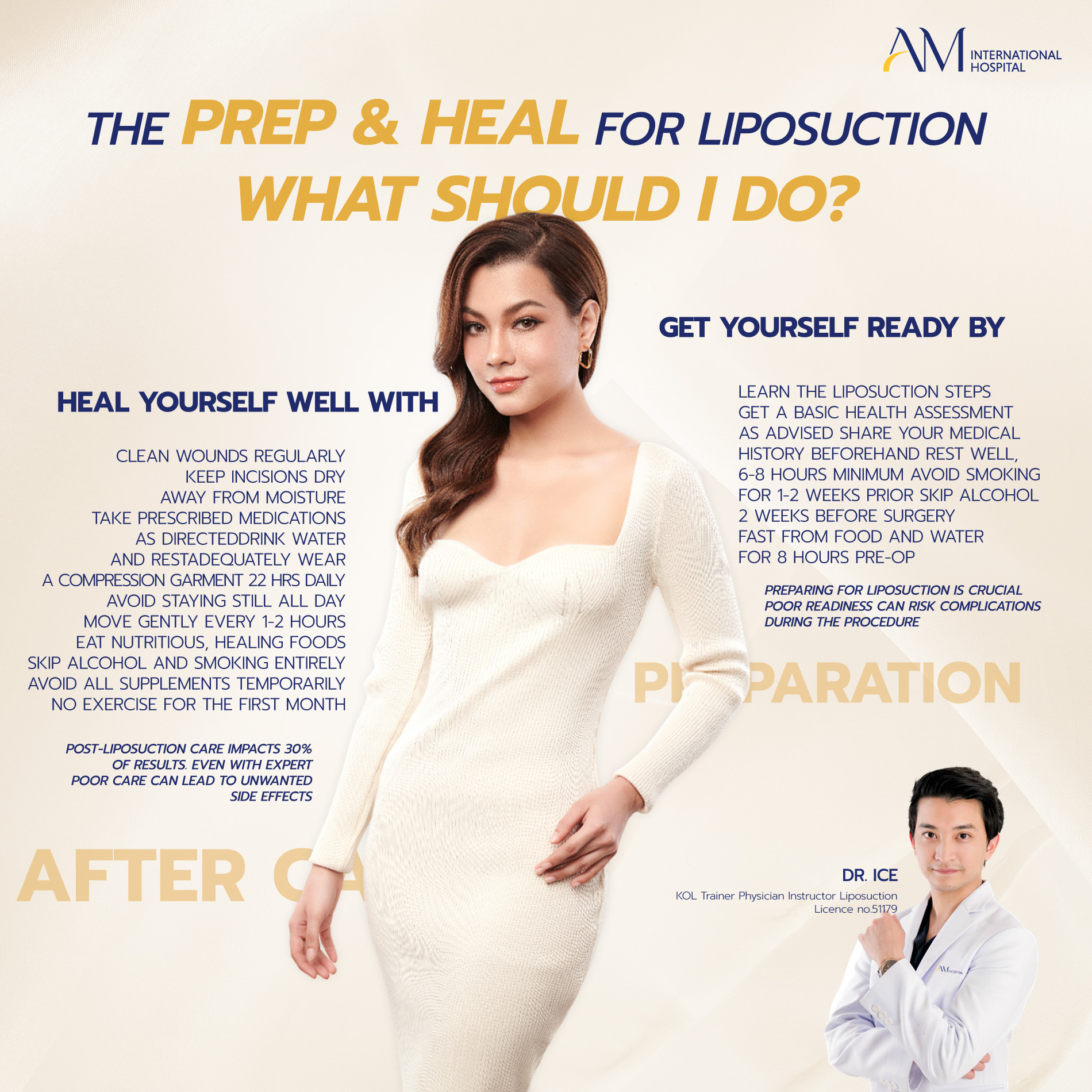
Getting ready for liposuction in Bangkok involves several crucial steps that contribute to a safer procedure and better results. Here’s a guide to help you prepare effectively, keeping in mind that specific instructions may vary based on your doctor’s chosen techniques and your individual health. Before Your Liposuction Procedure, You Need to:
- Understand the Process. Read up about the liposuction procedure and potential side effects. Knowing what to expect helps you manage your recovery more effectively.
- Complete a Health Checkup. Follow your doctor’s advice on all required health screenings and tests. This ensures you’re medically cleared for the surgery.
- Share Your Medical History. Provide your surgeon with a complete medical history, including any past treatments, current medications (prescription and over-the-counter), and all known drug allergies.
- Get Adequate Rest. Ensure you get at least 6-8 hours of quality sleep the night before your surgery.
- Avoid Smoking and Alcohol. Refrain from smoking and consuming alcohol for 1-2 weeks prior to your procedure. These can negatively impact healing and increase complication risks.
- Fast as Instructed. Stop eating and drinking at least 8 hours before your procedure, or as advised by your medical team.
Post-Liposuction Aftercare
Proper care after your liposuction procedure is just as important as the surgery itself for achieving optimal results and ensuring a smooth recovery. Here’s a basic guide to help you heal effectively. After the Liposuction Procedure, You Need to:
- Maintain Wound Hygiene. Keep your incisions clean by meticulously following your doctor’s wound care and dressing change instructions.
- Protect Incisions from Water. Prevent infection by keeping your incisions dry and avoiding direct water exposure until advised otherwise.
- Take Prescribed Medications. Strictly adhere to your doctor’s instructions for all prescribed medications, including pain relievers and antibiotics.
- Stay Hydrated and Rest. Drink plenty of fluids and ensure you get sufficient rest to support your body’s healing process.
- Wear Compression Garments. Wear your specialized compression garment for at least 22 hours daily. You may remove it for 30-60 minutes, twice a day, or as specifically instructed by your doctor. This is vital for reducing swelling and promoting skin retraction.
- Gentle Movement. Avoid prolonged periods of stillness. Move gently every 1-2 hours to encourage healthy blood circulation and prevent complications like blood clots.
- Eat Nutritious Foods. Focus on a balanced, nutrient-rich diet to fuel your body’s recovery.
- Avoid Alcohol and Smoking. Absolutely abstain from alcohol and smoking during your recovery period. These can severely hinder healing.
- Discontinue Certain Supplements/Medications. Avoid supplements or medications that can affect blood clotting, such as ibuprofen, aspirin, warfarin, fish oil, vitamin E, or ginkgo, unless explicitly approved by your doctor. Always consult them before taking any medication or supplement post-surgery.
Risks and Potential Complications of Liposuction
Like any surgical procedure, liposuction carries certain risks and can lead to side effects. It’s important for clients considering liposuction in Bangkok to be aware of what’s common and what warrants urgent medical attention for a safe recovery.
Common Side Effects
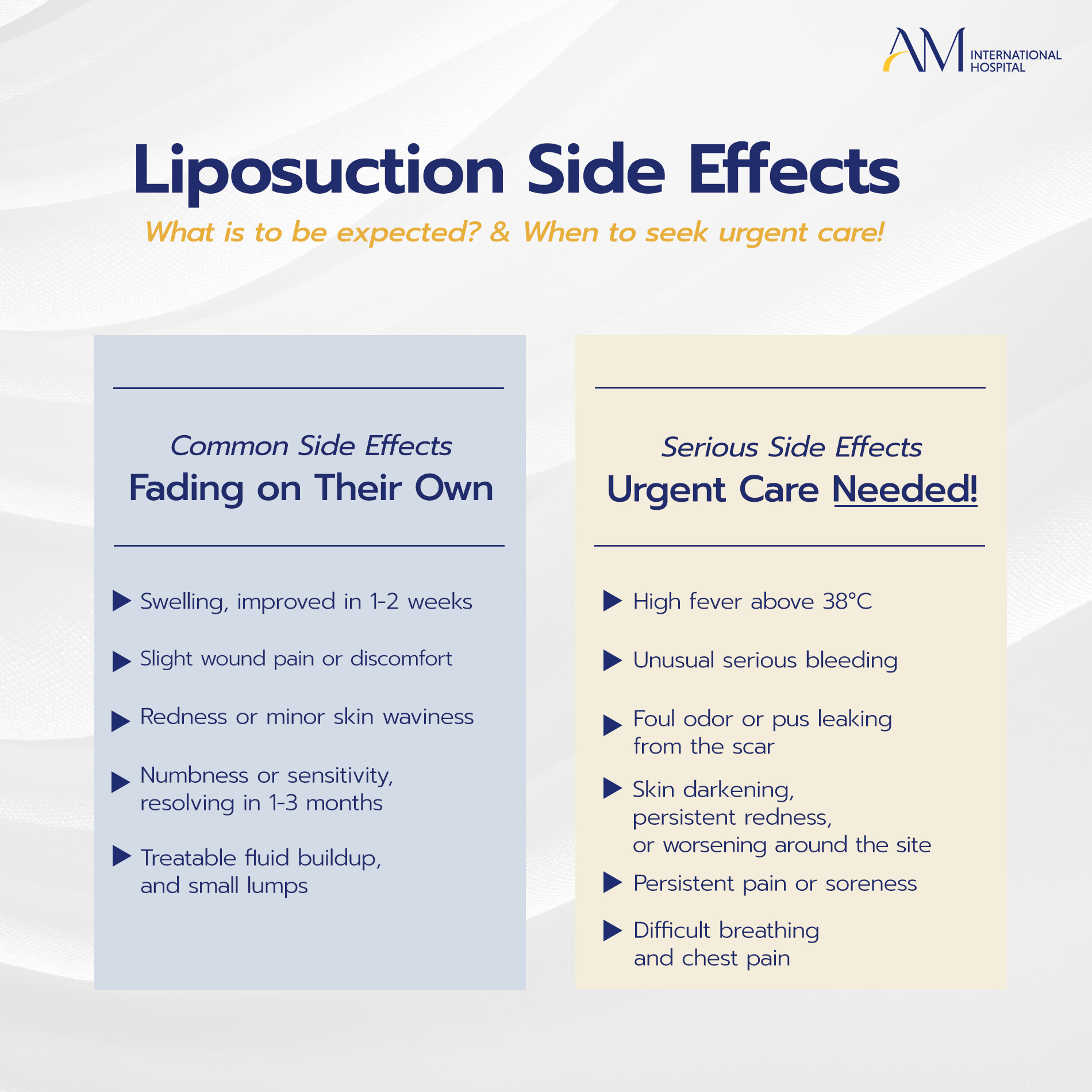
After liposuction, it’s normal to experience some mild side effects. These are typically manageable and tend to resolve on their own as your body heals. Common side effects include:
- Swelling, Bruising, or Inflammation. These are typical reactions to the tissue trauma during the procedure and usually improve within 1-2 weeks.
- Mild Pain or Discomfort. You might feel slight soreness or discomfort at the incision sites, sometimes accompanied by a sensation of tightness in the treated area.
- Redness or Minor Skin Waviness. Temporary redness or subtle irregularities in the skin texture are possible and can often be managed with adherence to your doctor’s post-care instructions.
- Numbness or Sensitivity. Due to temporary nerve irritation or minor damage, you might experience altered sensation, such as numbness or increased sensitivity. This typically resolves within 1-3 months.
- Fluid Buildup or Small Lumps (Seroma/Hematoma). Accumulation of fluid or small, firm lumps under the skin can occur. These are usually treatable with techniques like lymphatic drainage massage or aspiration by your doctor.
Serious Side Effects Requiring Immediate Medical Attention
While less common, some side effects require immediate medical evaluation. If you experience any of the following after liposuction, contact your doctor or seek urgent medical care immediately:
- High Fever. A persistent high fever above 38°C (100.4°F) after surgery.
- Excessive Bleeding. Serious or uncontrolled bleeding from the incision sites that does not stop.
- Signs of Infection. Foul odor, pus, or significant discharge leaking from the incisions, accompanied by increased redness or warmth around the site.
- Unusual Skin Changes. Persistent or worsening redness, unusual skin darkening, or changes in skin color around the treated area.
- Unrelenting Pain. Severe pain or soreness that does not improve with prescribed medication or worsens over time.
- Respiratory or Chest Issues. Difficulty breathing, shortness of breath, or chest pain.
While the thought of liposuction side effects can be concerning, modern techniques and advancements in procedures conducted in Bangkok help significantly reduce these risks. Understanding these potential issues and knowing when to contact your doctor promptly can ensure a safe and successful recovery journey.

What Other Procedures Can Be Combined with Liposuction?
Yes, absolutely! Liposuction in Bangkok often pairs exceptionally well with various other cosmetic surgeries or procedures, allowing for a more comprehensive transformation and enhanced overall results. Common combinations include
- Tummy Tuck (Abdominoplasty). Ideal for addressing significant excess skin and muscle laxity in the abdominal area after fat removal.
- Breast Augmentation (with Silicone Implants or Fat Grafting). Liposuction can be combined with implant-based augmentation, or the harvested fat from liposuction can be used for natural breast augmentation (Fat Grafting).
- Fat Grafting or Fat Transfer. Beyond breasts, fat removed during liposuction can be purified and re-injected into other areas like the buttocks (Brazilian Butt Lift or BBL), face, or hands for volume enhancement and contouring.
- Skin Tightening Treatments. Procedures like J Plasma or RFAL (Radiofrequency-Assisted Liposuction) specifically focus on improving skin laxity, complementing liposuction’s fat removal.
However, it’s crucial to consult with a qualified specialist of liposuction in Bangkok to assess your body’s unique condition and determine which additional procedures are most suitable for your aesthetic goals and overall health. Bear in mind that combining treatments may extend your recovery time and will often require extra diligence in your aftercare efforts to ensure the best and safest possible results.
How Long is the Recovery Period After Liposuction?
The recovery period after liposuction in Bangkok can vary significantly, but you should generally expect at least 1-2 weeks of downtime. The exact duration of your recovery will depend on several individual factors, including
- Your overall health. Healthier individuals tend to recover more quickly.
- Adherence to aftercare instructions. Diligently following your surgeon’s post-operative guidelines, especially regarding compression garments and gentle movement, significantly impacts recovery speed.
- The treated area(s). Larger or multiple treatment areas may require a longer recovery.
- Volume of fat removed. Procedures involving the removal of a greater volume of fat typically necessitate more extensive healing.
- The liposuction technique used. As discussed, some techniques (e.g., UAL) might have a slightly longer initial swelling phase compared to others.
- The surgeon’s skill. An experienced surgeon of liposuction in Bangkok can perform the procedure with less trauma, potentially leading to a smoother and faster recovery.
What Are the Results of Liposuction and When Will They Be Fully Visible?
The results of liposuction can be transformative, leading to a more contoured and sculpted physique. However, it’s important to understand that the final outcome isn’t immediately visible.
Immediately after your liposuction in Bangkok procedure, you will likely notice a reduction in the treated areas, but this will be obscured by swelling and bruising. This initial swelling is a natural part of the healing process and will gradually subside over several weeks.
- Initial Improvement. Within the first few weeks, as the majority of the swelling starts to decrease, you will begin to see a more defined silhouette.
- Significant Improvement. Most clients observe significant improvement in their contours within 2 to 3 months as the swelling continues to resolve.
- Fully Visible Results. The final, most refined results of your liposuction are typically visible after 6 months to 1 year. This time frame allows for all residual swelling to completely dissipate and for the skin to fully contract over the new contours.
It’s crucial to remember that liposuction permanently removes fat cells from the treated areas. However, maintaining these results long-term depends on leading a healthy lifestyle. If you gain a significant amount of weight, the remaining fat cells in both treated and untreated areas can still expand.
Where to Get Liposuction? Tips for Choosing the Right Hospital or Clinic
Choosing the right hospital or clinic for your liposuction in Bangkok is one of the most critical decisions you’ll make, directly impacting your safety, results, and overall experience. Here are essential tips to guide your selection:
- Qualified Surgeon. Ensure your surgeon is board-certified, experienced in liposuction, and specializes in the specific technique you need. Ask to see their portfolio of before-and-after cases.
- Accredited Facility. Select a clinic or hospital that is licensed, accredited, and adheres to high safety and hygiene standards.
- Advanced Technology. A reputable facility will offer a range of modern liposuction technologies and recommend the best fit for your body.
- Transparent Consultation. Expect a thorough consultation where the surgeon clearly explains the procedure, risks, and realistic outcomes, addressing all your questions.
- Comprehensive Aftercare. Confirm they provide a clear post-operative care plan, including follow-up appointments and guidance for recovery.
- Clear Pricing. Get a detailed breakdown of all costs upfront, with no hidden fees.
How Much Does Liposuction Cost?
Liposuction in Bangkok costs typically start at around 750 USD (25,000 THB) and can go higher. The total cost depends on various factors, including the technique, equipment, and specific conditions offered by your chosen hospital. These elements vary, so it’s best to ask for detailed pricing from your chosen facility.
What’s Included in the Cost of Liposuction?
Liposuction expenses cover multiple components, which may or may not be bundled into the final price. These can include:
- Surgeon’s fee.
- Anesthesia costs from an anesthesiologist.
- Facility service charges.
- Medications for post-operative care.
- Recovery room fees.
- 1-2 nights’ hospital stay (optional).
- Compression garment cos
Follow-up care or prescribed medications aren’t included in the base price, and insurance might be separate. Always confirm the full breakdown with your clinic before deciding.

Doctor's Insights: Spot Liposuction vs. Full Body Liposuction – Which is Safer?
When considering liposuction in Bangkok, understanding the safety differences between “Spot” (localized) and “Full body” (multiple/extensive areas) procedures is key. And, this is what we ask our doctor, Wisanu Hengsavasdi M.D.;
- Spot Liposuction targets small, specific areas (e.g., chin, small love handles) which are generally safer. Involves less surgical time, less anesthesia, minimal fluid shifts, and less overall tissue trauma.
- Full Body Liposuction treats multiple significant areas or removes large volumes of fat in one session which carries a higher inherent risk. This is due to longer anesthesia time, greater fluid shifts, increased potential for blood loss, and more extensive tissue trauma, which can lead to a higher chance of complications.
- So which is Safer?
Statistically, spot liposuction is generally safer due to its limited scope. However, the most critical factor for safety in any liposuction in Bangkok procedure is the expertise of your qualified surgeon, the accreditation of the facility, and strict adherence to safety protocols. A responsible doctor will always prioritize your safety, potentially staging larger procedures over multiple sessions if necessary.
Frequently Asked Questions About Liposuction (FAQ)
Q: 1. Can liposuction help with weight loss?
A: No, liposuction isn’t for weight loss. It removes excess subcutaneous fat, not significantly dropping your weight. Even with lots of fat under the skin, its overall mass is quite light compared to muscle.
Q: 2. How long do the results of liposuction last?
A: Liposuction results can be permanent, provided you maintain a stable weight, as removed fat cells do not return.
Q: 3. Is Liposuction A Painful Procedure?
A: Liposuction itself isn’t painful. Doctors use local anesthesia or Tumescent fluid to numb pain before incisions, and many cases involve full sedation, so you feel nothing during the procedure.
Q: 4. Can Overweight Individuals Get Liposuction?
A: Yes, but if your BMI exceeds 40, you need to get an evaluation by a specialist. Removing large fat volumes takes longer and increases blood or fluid loss, so caution is necessary.
Q: 5. Is there a difference between liposuction for men and women?
A: Yes, differences lie in fat structure—men often have denser fat and focus on muscle definition (e.g., abdomen, chest), while women typically aim for slender, softer curves like the waist, hips, or thighs, making a doctor’s consultation essential.
Q: 6. Is liposuction covered by health or life insurance?
A: No, liposuction is generally considered a cosmetic procedure and is typically not covered by health or life insurance.
Q: 7. How long Do I Wear a Compression Garment After Liposuction?
A: You’ll need a compression garment for 2-3 months after surgery. Follow your doctor’s advice as the duration depends on the technique, area treated, and skin laxity (Body-Jet cases may need less time).
Q: 8. Why does my skin feel itchy while wearing a compression garment after liposuction?
A: Itchiness is a common healing sensation due to nerve regeneration and skin changes, sometimes exacerbated by dryness or garment irritation. However, undergoing the procedure with a skilled liposuction doctor at a standardized facility, coupled with pre-procedure health checks and appropriate technique, significantly helps to reduce the overall risk of complications.
Q: 9. Are compression garments for men different from those for women?
A: Yes, while the basic function is the same, compression garments are often designed differently for men and women to accommodate varying body shapes and target areas. Men’s garments might be shaped more for the abdomen and chest, while women cater to hips, thighs, and buttocks.
Q: 10. Can I massage the treated area myself after liposuction? Do I need a special massager?
A: Self-massage or having others massage the treated area after liposuction is not recommended, as proper post-liposuction massage has specific purposes, and should always be explicitly instructed and guided by your surgeon. Special massagers can be beneficial for reducing fibrosis and swelling.
Q: 11. How many RF (Radiofrequency) massage sessions are needed after liposuction?
A: Typically, 5-10 RF massage sessions are recommended after liposuction, with weekly appointments for the first 1-2 months depending on the treated area and fat volume, to enhance skin tightening and reduce inflammation.
Q: 12. Can I sleep on my side after liposuction?
A: You can sleep on your side if the treated area is not under pressure, but generally, it’s best to avoid positions that compress the surgical site, such as sleeping on your stomach or side after abdominal liposuction for the first 1-2 weeks, and always follow your doctor’s advice.
Q: 13. What should I eat after liposuction?
A: Consume a diet rich in high-protein foods like fish, eggs, nuts, and lean meats to aid wound healing, and ensure you drink plenty of water for proper hydration.
Q: 14. What foods should I avoid after liposuction?
A: Avoid spicy, high-fat, high-sugar, processed, fermented foods, and alcohol, as these can prolong swelling and inflammation, slow recovery, and increase infection risk.
Q: 15. How safe is liposuction?
A: Liposuction is considered safe when performed by a skilled liposuction doctor in a standardized medical facility, with pre-procedure health checks and appropriate techniques tailored to your specific needs, which significantly reduces the risk of complications.
Q: 16. Can I Get Liposuction If I Plan to Get Pregnant?
A: Yes, liposuction is fine if you’re planning a pregnancy—it doesn’t affect hormones or health for conception since it only targets fat. But if it’s within 6 months, discuss timing with your doctor.
Q: 17. When Can I Exercise After Liposuction?
A: You can exercise for about one month after liposuction, it depends on your doctor’s guidance. It’s safe once wounds heal and strength returns, typically around 4 weeks.
Q: 18. Does Liposuction Reduce Cellulite?
A: Liposuction doesn’t fully tackle cellulite. While cellulite involves dense fat causing skin dimples, this procedure targets subcutaneous fat only—not cellulite directly. Pairing it with some skin-tightening massage can help, though.

Conclusion
Liposuction in Bangkok is a surgical procedure focused on removing excess subcutaneous fat to sculpt the body, distinct from weight loss and incapable of eliminating visceral fat. Its primary benefits include a noticeable reduction in body size, improved mobility and clothing fit, decreased skin friction, and enhanced self-confidence. However, given the diverse techniques and tools involved, successful and safe liposuction fundamentally relies on the surgeon’s expertise and experience.

